

Choosing a 925 silver bracelet manufacturer is an important decision for any jewelry brand developing a new collection. The right supplier needs to do more than produce a finished bracelet at a competitive price. They need to understand your design, work with the right materials, manage sampling and production, maintain consistent quality, and deliver products that meet your brand’s requirements.
This becomes especially important with bracelets because they are designed to stay in close contact with the skin for extended periods. Material composition, surface finishing, plating, component quality, and manufacturing consistency can all affect the final product.
For brands sourcing custom 925 silver bracelets, the following guide explains what to evaluate when choosing a manufacturer, from the initial design concept to finished production.
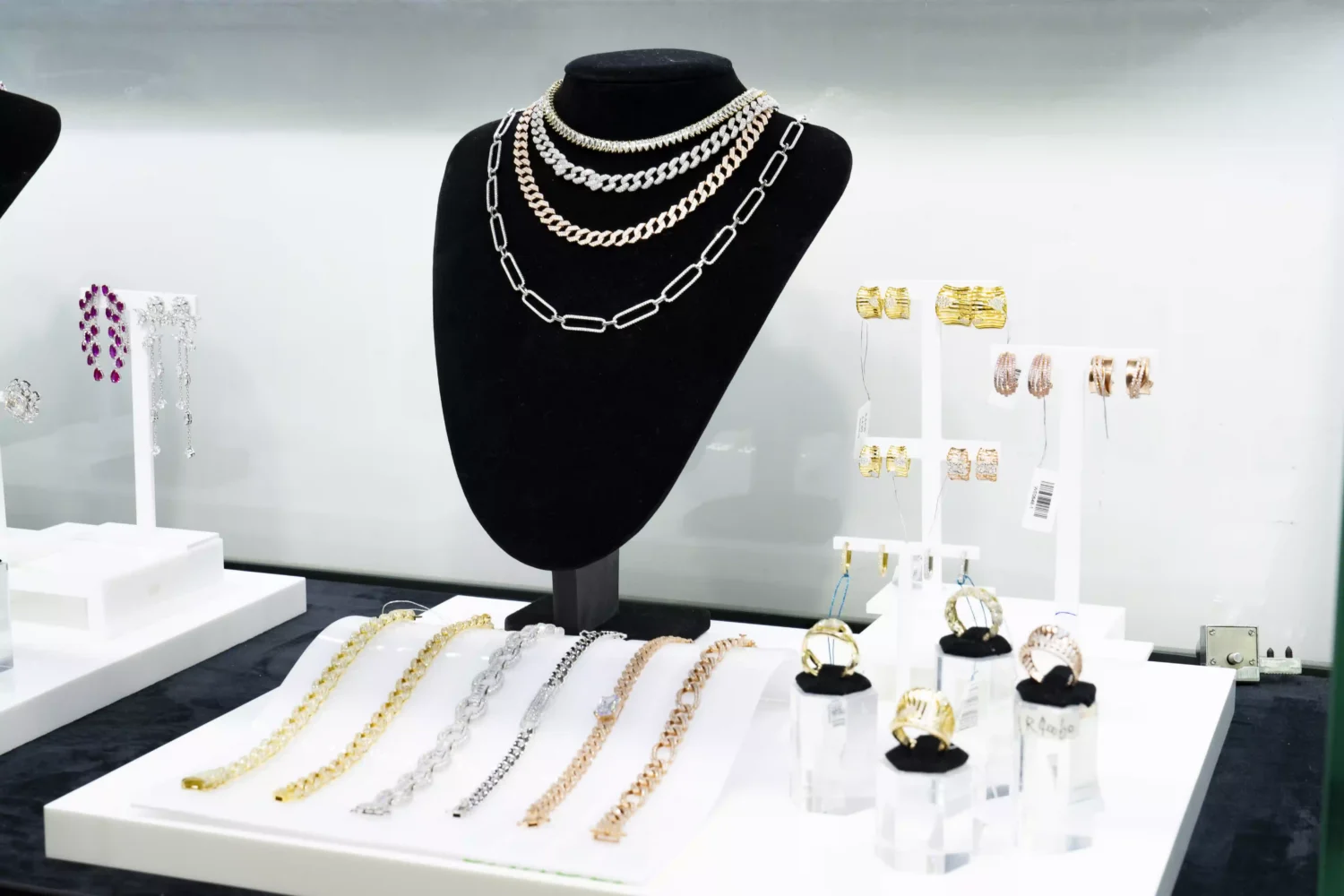
Key Factors in 925 Silver Bracelet Manufacturing
A reliable 925 silver bracelet manufacturer should be able to support more than one stage of the production process. Before comparing quotations, look at the manufacturer’s ability to manage product development, materials, craftsmanship, quality control, and production capacity.
Design and Product Development Capability
Not every jewelry manufacturer has an in-house design or product development team. Some suppliers focus primarily on production and are equipped to manufacture from finalized drawings or production-ready files. If your jewelry brand already has complete CAD files and technical specifications, this type of supplier may be sufficient for straightforward production.
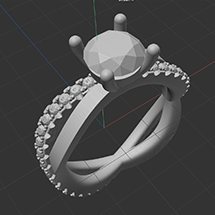
The requirements are different when you are developing a new bracelet from an idea, sketch, reference image, or early-stage concept. In this case, it is worth checking whether the manufacturer has its own CAD designers and product development team who can help turn an initial concept into a production-ready design.
A capable development team can refine proportions, evaluate structural feasibility, prepare 3D models, and identify potential production issues before sampling. For bracelets, this can include link dimensions, movement, clasp construction, thickness, stone placement, and connection points—all of which affect both the appearance and wearability of the finished piece.
For brands looking for a manufacturing partner rather than a supplier that only handles production, in-house product development capability can make the process from initial idea to finished bracelet much more efficient.
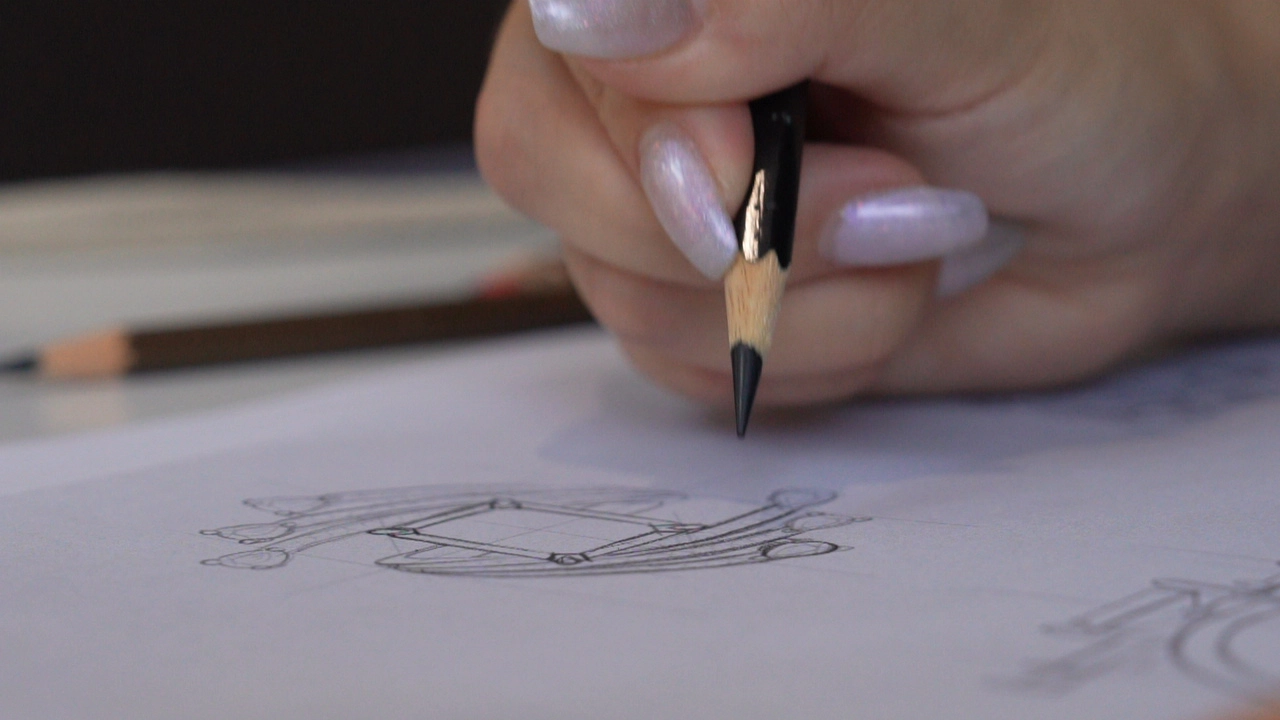
Sampling and Prototyping
A prototype allows a brand to evaluate the physical product before committing to bulk production.
During the sampling stage, manufacturers can identify issues such as insufficient clearance between components, uncomfortable edges, weak connections, incorrect proportions, or problems with the clasp. Sample revisions can then be completed before the final production specifications are approved.
For brands developing a collection rather than purchasing standard products, this development stage can have a significant impact on the final quality and production efficiency.
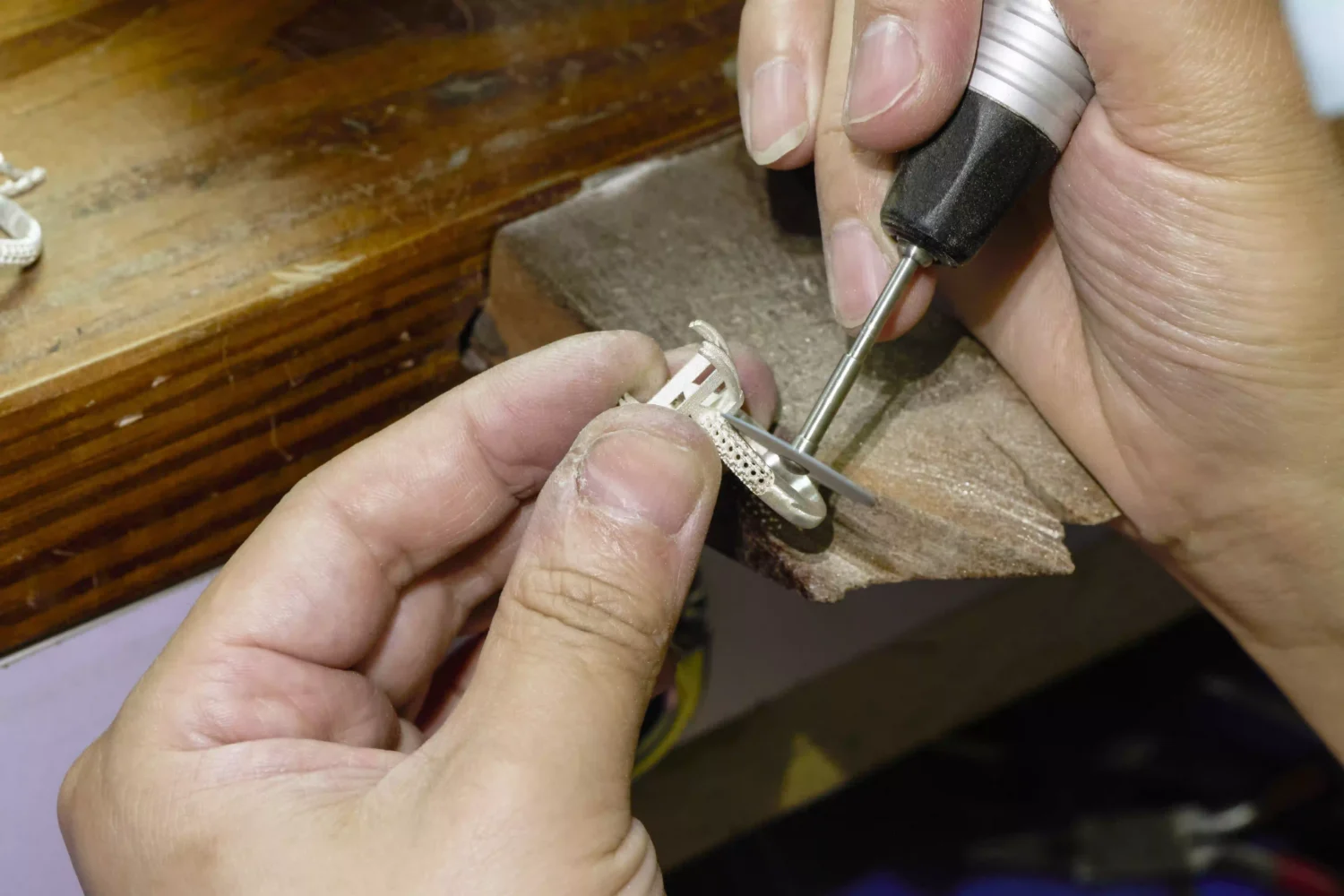
Production and Quality Control
A manufacturer should also have a clear quality control process covering the different stages of production.
For 925 silver bracelets, this may include material verification, casting inspection, component inspection, polishing, stone setting, plating or other surface finishing, assembly, and final inspection.
The goal is not simply to produce one good sample. The manufacturer needs to reproduce the approved sample consistently across a larger production run.
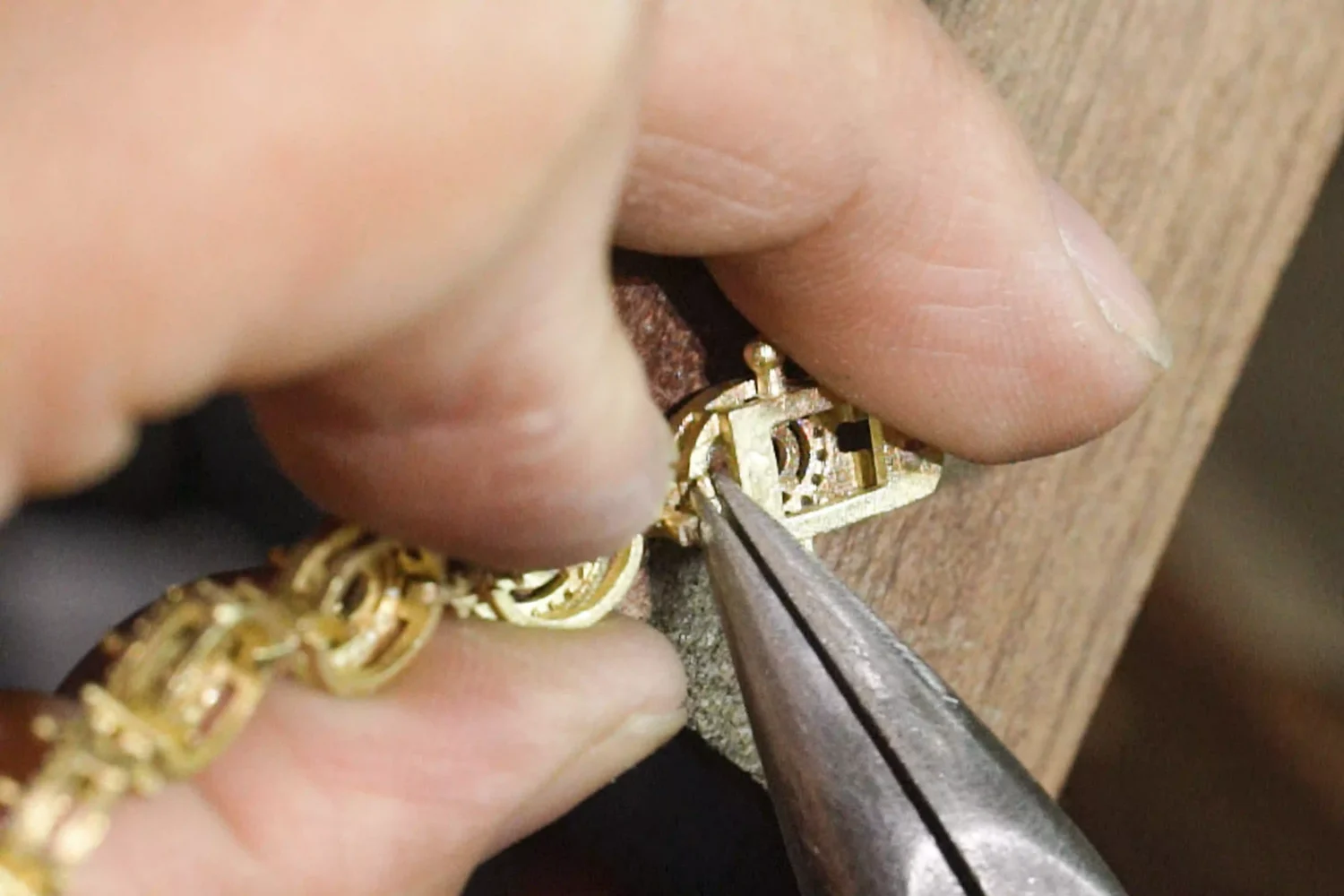
Can a Manufacturer Turn Your Bracelet Idea Into a Finished Product?
One of the most important questions for a jewelry brand is whether a manufacturer can support the complete development process.
A typical custom bracelet project can move through several stages:
Design concept → CAD → prototype → sample approval → production → finishing → assembly → quality inspection → finished bracelet
From Design Concept to CAD
The process can begin with a hand-drawn sketch, reference product, 3D file, or even a basic product idea.
The manufacturer translates the concept into technical specifications and creates a CAD model that considers dimensions, proportions, stone settings, component connections, and production requirements.
For complex bracelet designs, this stage can also help determine whether a structure is suitable for casting, machining, forming, or component-based production.
From Prototype to Production
After the CAD design is approved, a prototype or sample can be produced for evaluation.
The brand can check the bracelet’s appearance, dimensions, weight, comfort, clasp function, stone setting, and finishing. Any required revisions can be made before the design moves into bulk production.
For brands looking for a partner that can support both development and manufacturing, Yinyuan provides custom jewelry manufacturing services covering product development and production requirements.
From Production to Finished Bracelet
The production process depends on the design, but a custom 925 silver bracelet may involve casting or component manufacturing, cutting and refining, polishing, stone setting, plating, assembly, and final inspection.
Each stage contributes to the final product. A well-designed bracelet can still fail to meet a brand’s expectations if the clasp is poorly assembled, the surface is uneven, the stones are inconsistently set, or the finishing does not match the approved sample.
What Makes 925 Sterling Silver Suitable for Everyday Bracelets?
925 sterling silver is widely used in jewelry because it combines silver content with other metals that improve the material’s strength and workability.
The “925” designation generally refers to a composition containing 92.5% pure silver, with the remaining portion made up of other metals. The exact alloy composition matters when a bracelet is designed for regular skin contact.
This is an important consideration for jewelry brands because bracelets are worn directly against the wrist. The material itself, as well as plating and other surface treatments, can affect the wearer’s experience.
Why 925 Sterling Silver Is Commonly Used for Bracelets
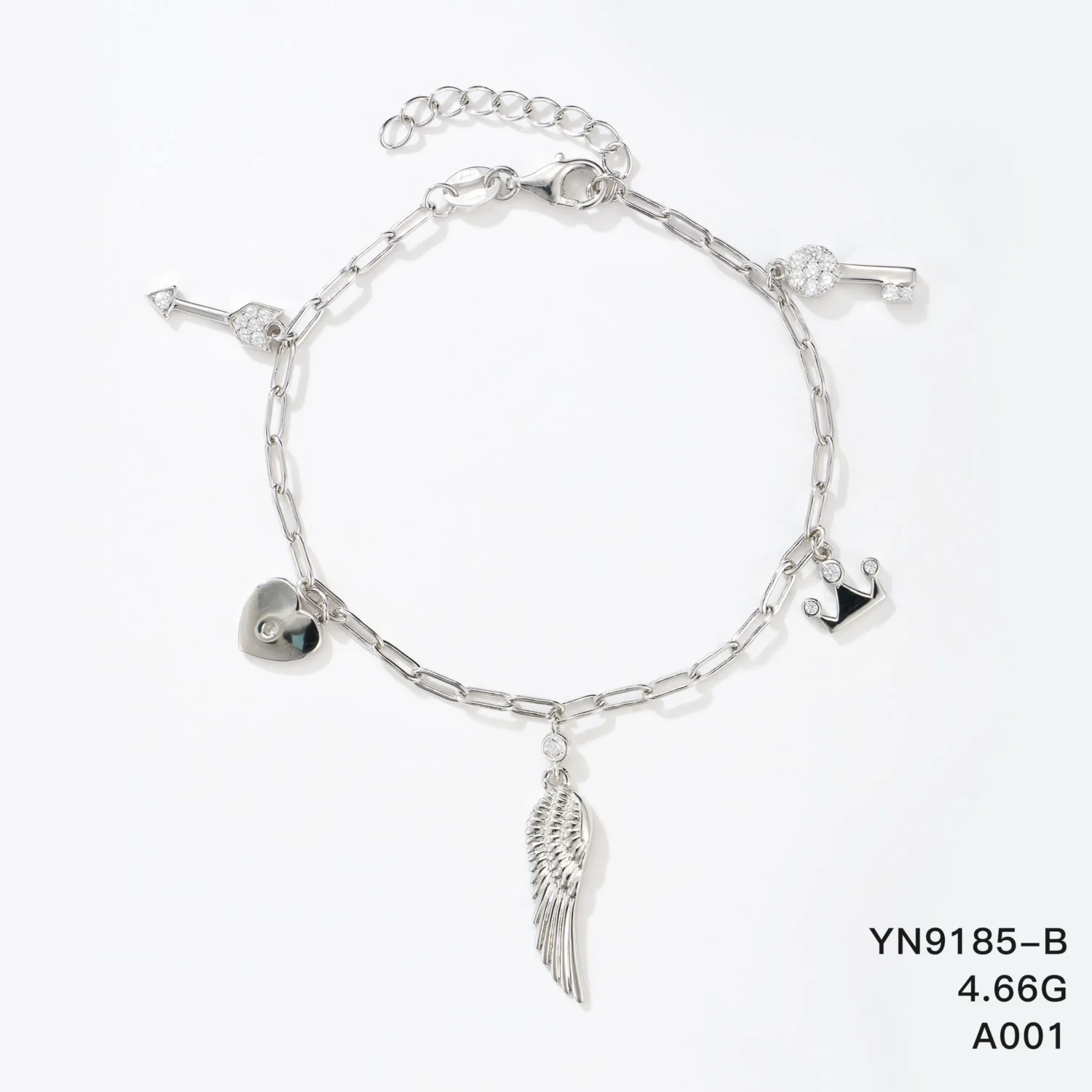
Pure silver is relatively soft, which can make it less practical for many everyday jewelry applications. Sterling silver uses an alloy formulation to provide greater strength and durability while retaining the appearance and characteristics associated with silver.
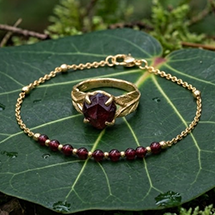
This makes 925 sterling silver suitable for many bracelet styles, including chain bracelets, bangles, charm bracelets, stone-set designs, and customized pieces.
However, material selection should go beyond simply specifying “925 silver” on a purchase order. Jewelry brands should understand what alloy is being used and whether the material meets the requirements of their target market.
Is Sterling Silver Hypoallergenic?
The answer depends on the alloy composition and the individual wearer.
Sterling silver itself is not automatically hypoallergenic simply because it is marked 925. Since sterling silver contains other metals, brands should ask their manufacturer about the specific alloy composition when skin sensitivity is an important consideration.
Nickel is particularly relevant because nickel exposure can cause allergic contact dermatitis in sensitive individuals. The American Academy of Dermatology provides guidance on nickel allergy and avoiding prolonged exposure to nickel-containing items.
For a bracelet that remains against the skin throughout the day, understanding the material specification can therefore be an important part of product development.
Does Sterling Silver Have Nickel?
It can, depending on the alloy formulation.
The term “925 sterling silver” defines the minimum silver content, but it does not by itself tell a buyer every detail about the remaining alloy components. This is why brands sourcing silver bracelets should confirm the manufacturer’s material specification rather than making assumptions based only on the 925 mark.
If your customer base includes people with metal sensitivities, you may want to ask your manufacturer whether the silver alloy is nickel-free and whether supporting material or testing documentation is available.
Brands should also be careful with marketing claims around sensitive-skin or hypoallergenic jewelry. Product claims should accurately reflect the actual material and testing information available for the finished product. The U.S. Federal Trade Commission’s guidance on jewelry and precious metal marketing provides useful reference information for businesses making jewelry-related claims.
Is 925 Silver Hypoallergenic?
925 silver should not automatically be described as hypoallergenic without considering its specific composition and the finished product.
For jewelry brands, a better approach is to establish clear material specifications with the manufacturer before production. Ask what alloy is being used, whether nickel is present, and whether the manufacturer can provide relevant material or testing information.
This is especially valuable when developing bracelets for everyday wear, where prolonged skin contact makes material selection an important part of the product specification.
How Are 925 Silver Bracelets Manufactured?
Understanding the manufacturing process can help brands evaluate whether a potential supplier has the technical capability to produce their designs consistently.
1. CAD Design and 3D Modeling
The approved concept is developed into a detailed CAD model. Dimensions, component connections, stone settings, thickness, and functional elements such as clasps can be reviewed before production.
2. Mold and Wax Preparation
For cast bracelet components, the production process may involve mold making and wax pattern production. The wax model reproduces the geometry of the final metal component and prepares it for casting.
3. Silver Casting
The 925 silver alloy is cast into the required component forms. Casting quality can affect the integrity, dimensions, and surface condition of the pieces that follow.
4. Cutting, Refining, and Surface Preparation
After casting, components are separated, refined, and prepared for polishing. Excess material, casting marks, and imperfections need to be addressed before the surface receives its final treatment.
5. Polishing
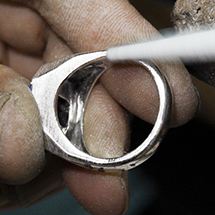
Polishing creates the required surface finish and prepares the bracelet for subsequent processes. Different areas of a bracelet may require different levels of finishing depending on the design.
6. Stone Setting and Component Assembly
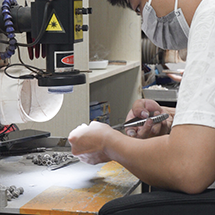
For stone-set bracelets, stones are carefully positioned and secured. Clasps, links, springs, connectors, and other components are then assembled according to the approved design.
Small functional components deserve particular attention because they directly affect how the bracelet opens, closes, moves, and stays secure during wear.
7. Plating and Surface Finishing
Some 925 silver bracelets are finished with rhodium, gold, or other plating treatments. The surface preparation before plating and the consistency of the plating process can have a significant effect on the appearance and durability of the finished piece.
8. Final Quality Inspection
The completed bracelets should be inspected against the approved sample and production specifications.
Depending on the product, inspection can cover dimensions, weight, surface quality, stone setting, clasp function, plating, assembly, and overall appearance.
How to Evaluate the Quality of a Silver Bracelet Manufacturer
When comparing a silver bracelet manufacturer, evaluate the entire manufacturing system rather than looking only at the finished product or quoted unit price.
Material Quality and Documentation
Ask the manufacturer what type of 925 silver alloy is used and whether material specifications or testing documentation can be provided.
This becomes particularly important when your brand makes specific material claims or targets markets with particular product requirements.
Craftsmanship and Detail
Pay attention to the small details that customers experience when wearing a bracelet:
- Smooth edges and surfaces
- Consistent polishing
- Secure stone settings
- Properly functioning clasps
- Accurate component dimensions
- Clean connections between links and components
These details can have a major effect on perceived quality.
Plating and Surface Finish
If the bracelet uses gold plating, rhodium, or another surface treatment, ask how the manufacturer controls the finishing process.
Consistency matters because differences in surface preparation or plating can create visible variations between samples and production pieces.
Quality Control During Mass Production
Ask how quality is checked during production rather than only at the end.
A strong production system identifies problems earlier, reducing the risk of receiving a large batch that does not match the approved sample.
MOQ, Sampling, and Production Capacity
MOQ is another factor to consider when selecting a 925 silver bracelet manufacturer.
The appropriate MOQ can vary depending on the design, material, production process, and level of customization. A simple stock bracelet and a fully customized design may require very different production arrangements.
Sampling is also important because it gives your team the opportunity to evaluate the product before bulk production.
As your brand grows, production capacity becomes increasingly important. A manufacturer should be able to support your current order requirements while having the capability to handle larger production volumes as successful products scale.
You can also explore Yinyuan’s bracelet collection to see examples of bracelet styles and product development possibilities.
Questions to Ask Before Choosing a 925 Silver Bracelet Manufacturer
Before placing an order, ask your potential manufacturer questions such as:
- What type of 925 sterling silver alloy do you use?
- Can you provide material specifications or relevant testing documentation?
- Does the alloy contain nickel?
- Can you develop a bracelet from a sketch, reference image, or product idea?
- Do you provide CAD development and prototyping?
- What is your MOQ for customized 925 silver bracelets?
- How do you control quality during bulk production?
- What plating and surface finishing options are available?
- How do you inspect clasps, links, and other functional components?
- Can your production capacity support larger orders as our brand grows?
The answers to these questions can tell you much more about a manufacturer than a quotation alone.
Why the Right Manufacturer Matters for Your Jewelry Brand
A 925 silver bracelet manufacturer becomes more valuable when they can support your product beyond a single production order.
For a growing jewelry brand, the ideal manufacturing relationship can cover product development, sampling, material selection, production, finishing, quality control, and repeat orders.
This creates a more consistent process from one collection to the next and gives your brand a manufacturing partner that understands your product requirements.
From Your Jewelry Idea to Finished 925 Silver Bracelets
Finding the right manufacturer means finding a partner capable of taking a product from an initial concept to a finished piece that is ready for your customers.
The process can begin with a simple idea and develop through CAD design, prototyping, material confirmation, production, finishing, assembly, and final quality inspection.
For jewelry brands looking for a custom bracelet manufacturer, Yinyuan Jewelry supports custom jewelry development and manufacturing with a focus on product quality, craftsmanship, and scalable production.
Whether you are developing your first bracelet collection or expanding an existing product line, choosing a manufacturer with the right technical capabilities and production system can help turn your designs into consistent, production-ready jewelry.
Learn more about Yinyuan Jewelry’s ODM and OEM jewelry manufacturing capabilities and explore how your next 925 silver bracelet collection can move from concept to finished production.
