

For jewelry brands, tarnish is more than a surface problem. It affects how customers see product quality, how often they complain about fading, and whether they trust your jewelry brand enough to buy again. This is especially important for gold plated jewelry, because customers often expect a bright gold color, smooth shine, and longer-lasting finish.
Many brands ask one common question before production: does jewelry plating thickness help reduce tarnish?
The short answer is yes, but thickness is only one part of the full quality system. Gold plating thickness can help improve tarnish resistance, but the final result also depends on base material, surface preparation, plating process, protective coating, and daily care. That is why working with a reliable jewelry manufacturer matters for brands that want better anti-tarnish jewelry.
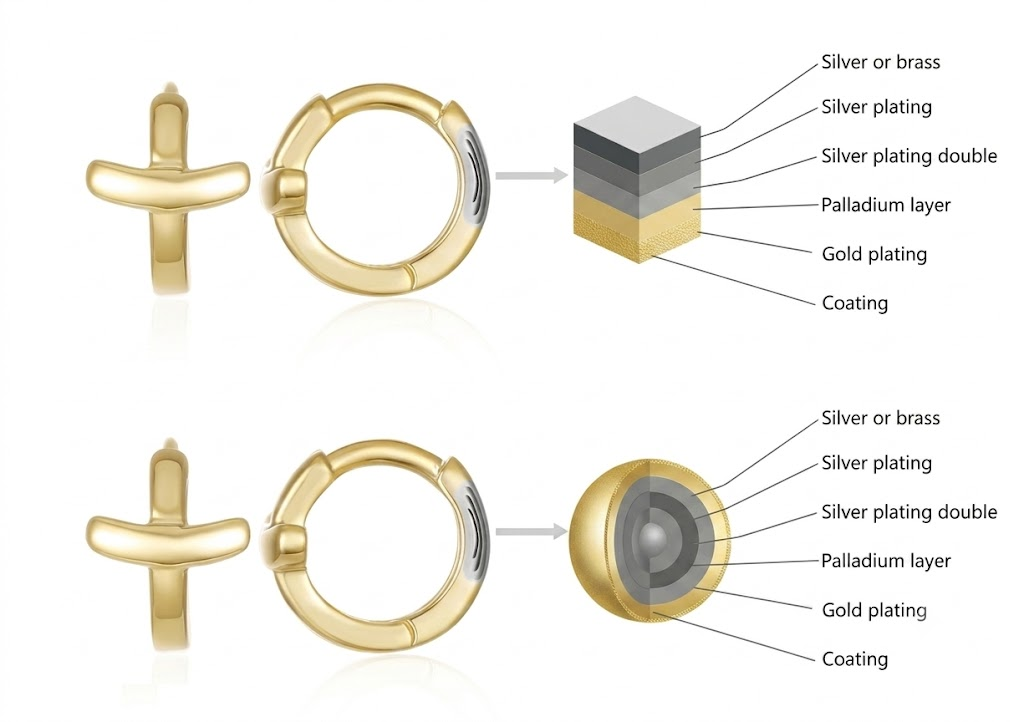
What Causes Tarnish in Gold Plated Jewelry?
Tarnish happens when the jewelry surface reacts with air, moisture, sweat, chemicals, or other environmental factors. On gold plated jewelry, tarnish may appear as dullness, dark spots, discoloration, or uneven fading.
Pure gold does not tarnish easily, but most gold plated jewelry does not use a solid gold surface. Instead, manufacturers apply a thin layer of gold over a base metal such as brass and 925 silver. If the gold layer becomes too thin, wears away, or does not fully protect the base metal, the lower layer may react with the environment and affect the jewelry appearance.
Common causes of tarnish include:
Sweat and body oils
Humidity and moisture
Perfume, lotion, and cosmetics
Chlorine or cleaning chemicals
Friction during daily wear
Poor surface preparation before plating
Thin or uneven plating layers
Low-quality base materials
For brands, this means tarnish resistance does not come from one single step. A good anti-tarnish result requires a controlled jewelry manufacturing process, from material selection to final quality inspection.
What Is Jewelry Plating Thickness?
Jewelry gold plating thickness refers to the thickness of the metal layer applied to the jewelry surface during plating. For gold plating, manufacturers usually measure thickness in microns.
A micron is a very small unit of measurement. In jewelry production, common gold plating thickness options may include 0.05 micron, 0.1 micron, 0.25 micron, 0.5 micron, 1.0 micron, 2.5 microns, or higher, depending on the product type and target market.
In general, thicker plating provides better surface coverage and stronger wear performance. However, it also increases production cost. For this reason, brands need to choose the right thickness based on their product category, retail price, customer expectations, and market positioning.
For example, a low-cost trend-based fashion jewelry collection may use lighter plating. A premium everyday collection may need thicker plating. A 925 silver gold vermeil collection often uses a thicker gold layer to support a higher product value.
6 Ways Gold Plating Thickness Affects Tarnish Resistance
Gold plating thickness can influence tarnish resistance in several practical ways. Although thicker plating cannot completely prevent tarnish, it can help improve surface protection, color retention, and long-term jewelry performance under normal wear.
1. Better Coverage Over the Base Metal
A thicker gold layer creates better coverage over the base metal. This helps reduce direct contact between the base material and outside elements such as moisture, sweat, and air. When the base metal has less exposure, the jewelry has a better chance of maintaining its original gold color and shine.
2. Slower Visible Wear
Thicker plating can help delay visible wear. Rings and bracelets often experience more friction than earrings or pendants during daily use. If the plating layer is too thin, friction may wear it down faster and expose the lower layer more easily.
3. Better Color Retention
Gold plated jewelry with thicker plating usually keeps its color longer under normal wear. This matters for brands because customers often judge quality by how long the jewelry keeps its bright gold appearance.
4. Lower Risk of Early Discoloration
When the plating layer becomes weak or uneven, tarnish and discoloration may appear more quickly. A thicker and more even gold layer can help reduce the risk of early color change, especially when the jewelry also has proper surface preparation and protective coating.
5. Stronger Perceived Quality
Customers may not understand microns, but they can notice when jewelry keeps its finish longer. Better plating thickness can make the product feel more reliable and premium, which helps reduce complaints and improve customer satisfaction.
6. Better Support for Anti-Tarnish Finishing
Thicker plating works better when combined with good manufacturing, nano coating, e-coating, or other anti-tarnish treatments. Plating thickness helps, but it does not replace proper jewelry care, quality control, or professional manufacturing.
Thin Gold Plating vs. Thick Gold Plating
Different plating thickness levels serve different business needs. Brands should not always choose the thickest option. Instead, they should match the thickness to the collection’s price point and expected usage.
Thin gold plating, such as 0.05 to 0.1 micron, usually works best for budget-friendly fashion jewelry. It gives the jewelry a gold-tone appearance at a lower cost, but it may not perform well for long-term daily wear.
Medium gold plating, such as 0.25 to 0.5 micron, offers a better balance between cost and durability. Many brands use this level for everyday fashion jewelry, especially for earrings, pendants, necklaces, and some bracelet designs.
Thicker gold plating, such as 1.0 micron or above, suits premium collections that need better color retention and stronger resistance to daily wear. For rings and bracelets, thicker plating can provide better performance because these products experience more friction.
Gold vermeil usually uses a thicker gold layer over 925 silver. Many brands choose vermeil when they want a more premium option than standard gold plated brass or alloy jewelry.
If your brand sells gold plated jewelry, the best thickness depends on your collection positioning. A fast fashion line and a premium gift collection should not use the same plating standard.
Does Anti-Tarnish Jewelry Always Need Thicker Plating?
Thicker plating can help, but anti-tarnish jewelry also depends on several other production factors.
The first factor is base material. Brass, alloy, stainless steel, and 925 silver behave differently during plating and daily wear. Some base metals need better surface preparation or extra barrier layers before gold plating.
The second factor is pre-treatment. Before plating, manufacturers need to clean, polish, and prepare the jewelry surface properly. If oil, dust, or surface defects remain, the plating layer may not bond well.
The third factor is plating structure. Some products need a base layer before gold plating. This layer can help improve adhesion, color stability, and surface performance.
The fourth factor is protective coating. Many manufacturers add nano coating, e-coating, or anti-tarnish coating after plating. These coatings can help protect the jewelry surface from oxidation, moisture, sweat, and daily wear.
The fifth factor is quality control. A professional jewelry manufacturer may use XRF testing to measure plating thickness and inspect color, surface finish, adhesion, and overall consistency before shipment.
So, anti-tarnish jewelry does not only mean “use thicker gold plating.” It means the entire production process supports better surface protection. If your brand needs more controlled production, a custom jewelry service can help you choose the right plating thickness, finish, material, and protection method for each collection.
Best Gold Plating Thickness for Different Jewelry Products
Jewelry product type plays a major role in plating thickness decisions. Different pieces experience different levels of friction, skin contact, and daily wear. Therefore, jewelry brands should not use the same plating thickness for every product category.
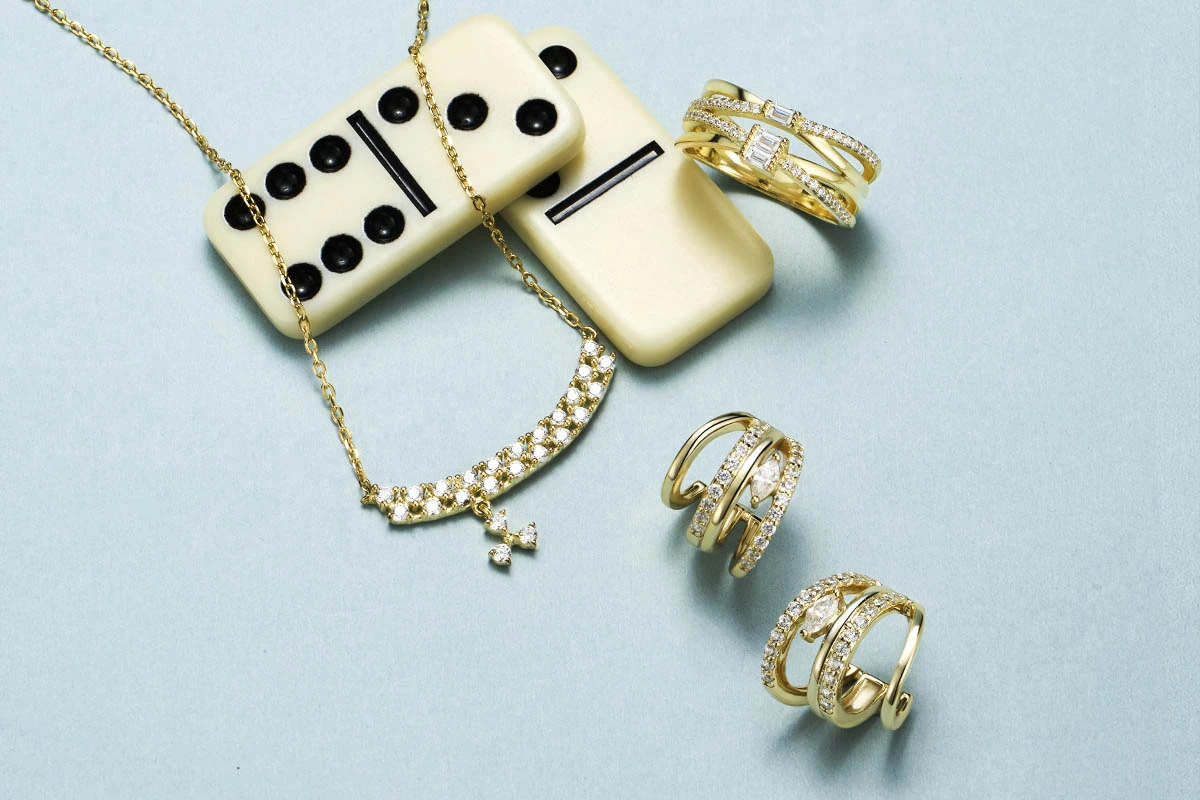
Earrings: Moderate Plating for Lower-Friction Wear
Earrings usually face less friction than rings and bracelets. For fashion earrings, a moderate gold plating thickness may be enough if the brand sells them as occasional-wear accessories. However, premium earrings may still need thicker plating for better color retention and higher customer value.
Necklaces and Pendants: Balance Appearance and Daily Contact
Necklaces and pendants usually experience moderate wear. The chain may rub against skin and clothing, while the pendant surface often has less direct friction. For everyday necklaces, many brands choose medium plating. For premium pendant collections, thicker plating can help improve long-term shine and color stability.
Rings: Thicker Plating for Higher Friction
Rings need more careful plating thickness planning. Customers touch, wash, and bump rings often during daily wear. As a result, thin plating may wear faster on rings. If a brand wants better durability and tarnish resistance, rings usually need thicker plating or an added protective coating.
Bracelets: Stronger Protection for Daily Movement
Bracelets also experience high friction because they move against the wrist, clothing, tables, and other surfaces. For this reason, thicker plating can help bracelets maintain their gold color and surface appearance for longer under normal wear.
925 Silver Jewelry: Gold Plating or Gold Vermeil
925 silver jewelry can use standard gold plating or gold vermeil, depending on brand positioning. Gold vermeil(内链) gives brands a more premium story because it combines 925 silver with a thicker gold layer. This option often works well for brands targeting higher retail prices and better perceived value.
Brass and Alloy Jewelry: Surface Preparation Matters
Brass and alloy jewelry can support many gold plating thickness options, from budget-friendly fashion finishes to thicker premium plating. However, these materials need proper surface preparation and quality plating control. For better anti-tarnish performance, brands may also consider nano coating, e-coating, or other protective coatings after plating.
How Brands Should Choose the Right Plating Thickness
Before choosing jewelry plating thickness, brands should start with the product’s business goal.
If the collection targets low-cost fashion buyers, lighter plating may help control cost. However, the product page should not overpromise long-term durability.
If the collection targets everyday wear, medium plating may provide a better balance between cost and performance. Brands can also add a protective coating to improve tarnish resistance.
If the collection targets premium buyers, thicker plating may support stronger product value. For 925 silver jewelry, gold vermeil can help position the product above standard gold plated jewelry.
Brands should also consider retail price. A higher retail price usually creates higher customer expectations. If customers pay more, they expect better shine, stronger color retention, and fewer tarnish issues.
Product category also matters. Rings and bracelets usually need stronger plating than earrings or pendants. A brand that uses the same thin plating for every category may face more quality complaints.
Finally, brands should consider the market. Some customers understand gold vermeil and plating thickness. Others only care whether the jewelry turns color quickly. In both cases, better surface quality can help protect brand reputation.
Questions to Ask Your Jewelry Manufacturer
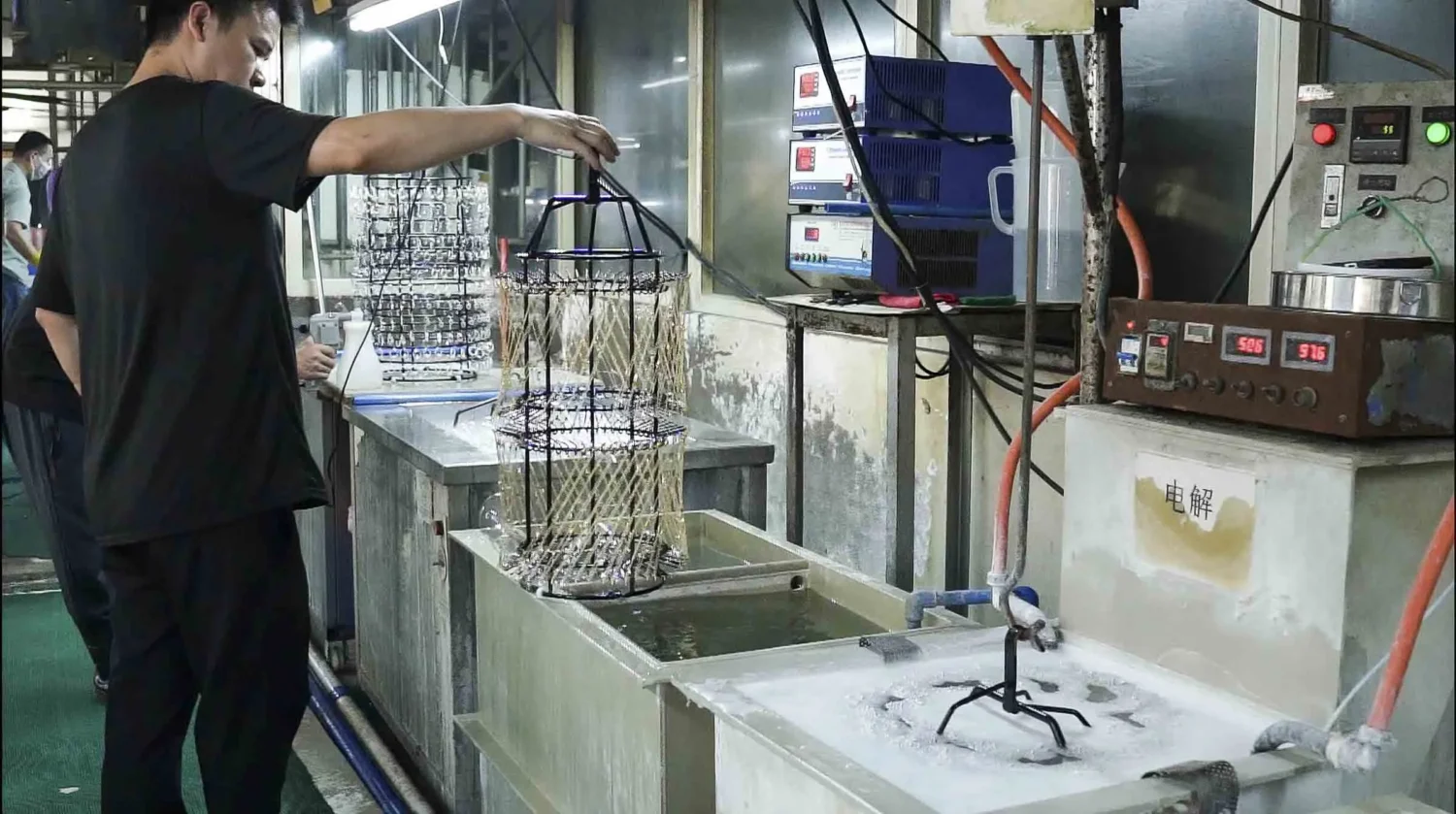
Before placing a custom order, brands can ask their manufacturer these questions:
What gold plating thickness do you recommend for this product?
Which thickness works best for rings, bracelets, earrings, and necklaces?
Can you provide XRF testing for plating thickness?
Do you offer nano coating, e-coating, or anti-tarnish coating?
Which base material works best for this plating finish?
Can you make gold vermeil on 925 silver?
How do you test color consistency before shipment?
What care instructions should we give customers?
These questions help brands make better decisions before production begins. They also help prevent quality problems after the products reach the market.
Frequently Asked Questions About Gold Plated Jewelry Thickness and Tarnish
Before choosing a plating option for your next collection, here are some common questions jewelry brands often ask about gold plated jewelry, thickness, and tarnish resistance.
Does thicker gold plating prevent tarnish?
Thicker gold plating can help improve tarnish resistance, but it does not completely prevent tarnish. The final result also depends on base material, surface preparation, protective coating, wearing habits, and jewelry care.
What is the best jewelry plating thickness for anti-tarnish jewelry?
The best jewelry plating thickness depends on product type, target market, and budget. Many brands choose medium to thicker plating for everyday jewelry, while premium collections may use 1.0 micron or higher. For gold vermeil jewelry on 925 silver, brands often choose a thicker gold layer.
Why does gold plated jewelry tarnish?
Gold plated jewelry may tarnish when the surface reacts with moisture, sweat, air, perfume, cosmetics, or chemicals. Tarnish may also appear faster when the plating layer is too thin, uneven, or worn down by friction.
Can a jewelry manufacturer make anti-tarnish gold plated jewelry?
Yes. An experienced jewelry manufacturer can improve tarnish resistance through better base material selection, surface preparation, controlled plating thickness, protective coating, and quality testing. However, brands should avoid claiming that any gold plated jewelry will never tarnish.
Is gold vermeil more tarnish-resistant than regular gold plated jewelry?
Gold vermeil often performs better than very thin gold plated jewelry because it usually uses a thicker gold layer over 925 silver. However, care habits and production quality still affect long-term performance.
Conclusion
Gold plating thickness plays an important role in tarnish resistance, but it works best as part of a complete quality system. For brands, the goal is not simply to choose the thickest plating. The better approach is to match plating thickness with base material, product category, retail price, and customer expectations. If you are planning a new gold plated jewelry collection, Yinyuan Jewelry can support custom plating thickness, anti-tarnish finishing, sampling, and bulk production. Visit our gold plated jewelry page or contact us to discuss your project.
