

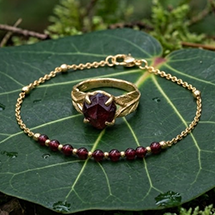
Launching a lab grown diamond jewelry collection starts with defining the products your brand wants to bring to market. From selecting the right diamond sizes and setting styles to developing a cohesive product range, each decision should support your target customers, price positioning, and collection identity.
For jewelry brands, some of the most costly development mistakes happen when design decisions are made without considering manufacturing requirements. A diamond size that looks ideal in a design may require a more complex setting, increase the finished product cost, or push the retail price beyond the intended range. Addressing these details early helps brands avoid unnecessary sample revisions and keep product development aligned with their commercial goals.
Working with an experienced lab grown diamond jewelry manufacturer from the early development stage can help brands identify these potential issues before they become production problems. A manufacturer with practical experience in diamond sourcing, jewelry design, and production can help refine specifications, evaluate design feasibility, and develop products that meet both aesthetic and cost requirements.
This guide explores how to plan and develop a lab grown diamond jewelry collection, from defining your product strategy and selecting diamond specifications to sampling, production planning, and quality control.
Lab Grown Diamonds vs. Natural Diamonds: What Jewelry Brands Need to Know
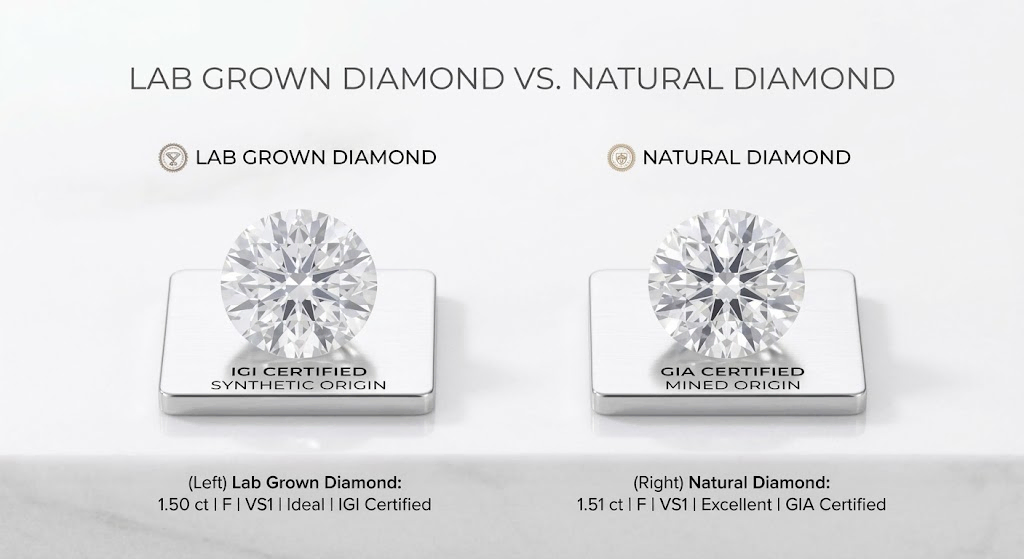
Lab grown diamonds are real diamonds created in controlled laboratory environments rather than formed naturally beneath the Earth’s surface. They share the same essential chemical composition and crystal structure as natural diamonds, along with comparable optical and physical properties.
The primary difference lies in their origin. Natural diamonds form through geological processes over extremely long periods, while lab grown diamonds are produced using technologies such as High Pressure High Temperature (HPHT) and Chemical Vapor Deposition (CVD).
For jewelry brands, this distinction influences how a collection is positioned, priced, and presented to customers.
Natural diamonds are often associated with rarity, geological origin, and established traditions in fine jewelry. Lab grown diamonds allow brands to offer diamond jewelry at different price points, creating opportunities to explore larger center stones, more elaborate designs, or a wider range of products within a defined retail budget.
However, a lab grown diamond collection still requires careful decisions about stone quality, design, craftsmanship, and product presentation. The diamond’s origin is only one part of the value customers experience when they purchase a finished piece of jewelry.
Understanding these differences helps brands establish a clear product direction before selecting diamond specifications or developing individual designs.
How a Lab Grown Diamond Collection Can Shape Your Brand Identity
A lab grown diamond jewelry collection gives brands an opportunity to define what diamond jewelry represents to their customers.
For some brands, the collection may introduce a more accessible entry point into fine jewelry, allowing customers to choose diamond pieces for everyday wear, personal milestones, or meaningful gifts. For others, lab grown diamonds may support a design-led identity built around distinctive silhouettes, larger center stones, or coordinated jewelry collections.
The opportunity lies in connecting these product choices with the identity customers want to express.
A customer purchasing a minimalist diamond necklace may be drawn to understated elegance and everyday versatility. Someone choosing a statement ring may be looking for a more expressive piece that reflects their personal style. A customer buying a diamond bracelet to mark an achievement may value the emotional meaning of the purchase as much as its appearance.
These motivations give jewelry brands a starting point for developing a recognizable collection identity.
A lab grown diamond collection should communicate a clear point of view through its designs, rather than relying on the diamond’s origin as its only defining feature.
Brands can express that identity through their choice of diamond shapes, setting styles, proportions, metal finishes, and the way individual pieces work together as a collection.
For example, a brand focused on modern everyday jewelry might develop a coordinated range of delicate rings, stud earrings, and understated pendants. A brand targeting customers who prefer expressive designs might explore larger center stones, sculptural settings, and more distinctive silhouettes.
By defining the role the collection will play in the brand’s product range, jewelry brands can make more consistent design decisions and give customers a clearer reason to connect with their products.
Define Your Customer and Price Position Before Designing
It can be tempting to start a new collection by collecting reference images and deciding which pieces look attractive.
That approach often leaves an important question unanswered:
Can the finished product work at the price your brand needs?
Start by defining your target customer.
Consider their expected spending range, design preferences, shopping occasions, and the role this collection will play within your existing product line.
A fine jewelry collection centered on larger solitaire stones requires a different product strategy from an everyday collection that uses smaller stones, pavé details, or more accessible price points.
Next, establish a target retail range.
That target helps guide decisions about diamond size and quantity, quality requirements, metal and metal weight, setting complexity, product dimensions, finishing, and production quantity.
Do not design the entire collection first and try to force the cost into place afterward.
When you share the commercial target early, your manufacturer can evaluate design decisions against that target throughout product development.
Plan a Product Mix Instead of Simply Adding More SKUs
A collection needs enough variety to give customers choices, but more SKUs do not automatically create a stronger collection.
Before developing ten or twenty designs, decide what role each product should play.
A useful collection might include a few hero products that establish its visual identity, supporting products that help customers build a coordinated look, and more accessible products that create an entry point into the collection.
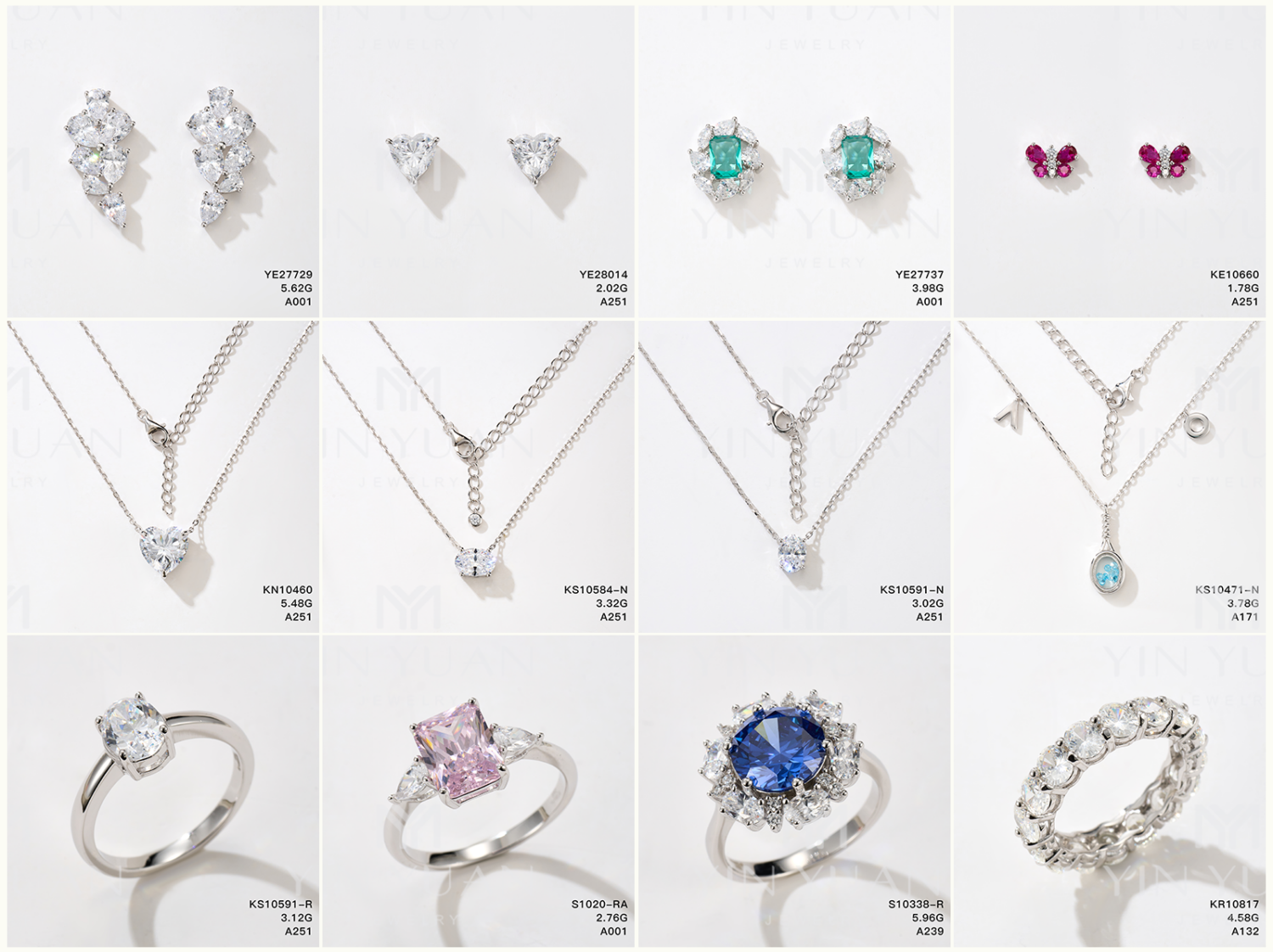
1. Lab Grown Diamond Rings
Rings can work particularly well as hero products because the center stone and setting often define the design immediately.
Consider stone dimensions, setting height, band proportions, ring sizing, metal weight, and how securely the structure supports the diamond.
2. Lab Grown Diamond Earrings
Earrings introduce another consideration: matching.
The production team may need to match stones for dimensions and visual consistency, particularly when a design uses larger stones or symmetrical pairs.
Weight and comfort also matter when the design uses larger settings.
3. Lab Grown Diamond Necklaces
Necklaces allow brands to carry a collection’s core stone shape or setting language into another product category.
Chain length, pendant proportions, bail construction, center-stone orientation, and overall weight all influence the final product.
4. Lab Grown Diamond Bracelets
Bracelets introduce movement, repeated components, clasp construction, and wrist fit.
For designs that use multiple diamonds, stone quantity and setting labor can quickly become major cost factors.
The goal is not to make every category look identical.
Instead, identify a few recognizable elements—stone shape, setting language, proportions, motifs, or finish—and carry them across the collection.
Choose Diamond Specifications for the Product, Not for a Specification Sheet
Diamond specifications influence the appearance, setting structure, and production cost of every piece in a jewelry collection. When developing a solitaire ring, for example, brands need to consider the center stone’s shape, face-up dimensions, and proportions to determine the appropriate setting and achieve the intended look. A one-carat round diamond and a one-carat oval diamond have different dimensions and visual proportions, which require corresponding adjustments to the ring design.
Brands should also define diamond quality requirements according to each stone’s role in the design. A prominent center stone deserves closer attention to its individual appearance. Smaller accent stones need consistent dimensions and visual characteristics. Clear specifications help brands allocate their diamond budget effectively and maintain a consistent design standard across the collection.
An experienced lab grown diamond jewelry manufacturer can help brands evaluate diamond dimensions, quality ranges, matching requirements, and setting compatibility during product development. Early collaboration helps establish practical sourcing specifications. It also keeps diamond selection aligned with the collection’s design direction, target price, and production requirements.
1. Diamond Shape
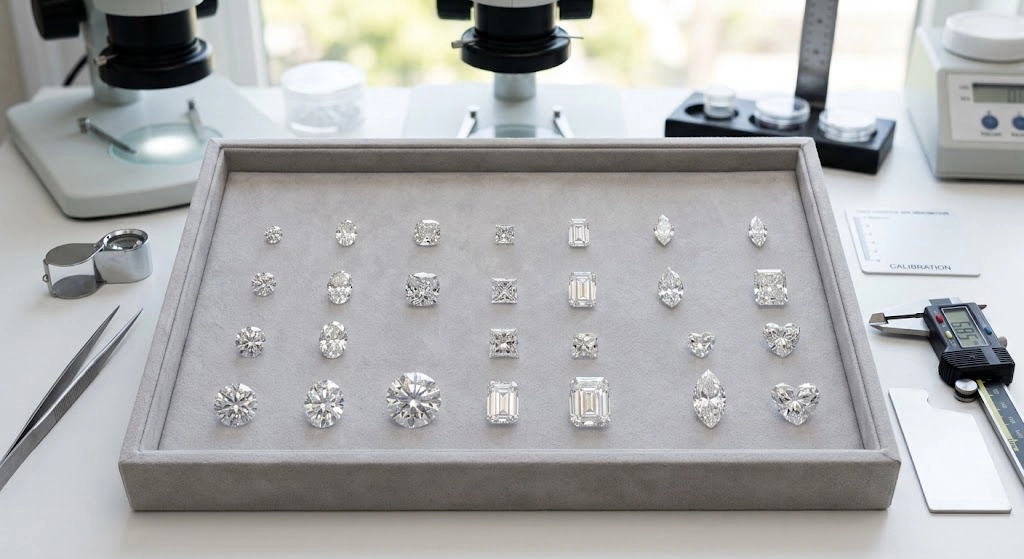
Round, oval, pear, emerald, cushion, marquise, princess, and other shapes create different visual identities and require different setting structures.
A brand should choose shape as part of the design language rather than treat it as an isolated stone specification.
2. Carat Weight and Dimensions
Do not rely on carat weight alone.
Physical dimensions influence how a stone fits its setting and how large it appears in the finished product.
For manufacturing, dimensions also help the CAD and setting teams build the structure around the actual stone requirements.
3. Quality Requirements
Define an acceptable specification range rather than simply asking for “high-quality diamonds.”
Your target customer, stone size, design, and price position should guide the requirement.
Before increasing a specification, consider whether the customer will perceive enough additional value to justify the higher product cost.
In some designs, allocating part of that budget to construction, metal weight, finishing, or another visible product feature may create more value.
4. Matching Requirements
Earrings, multi-stone rings, tennis-style jewelry, and repeated motifs create another challenge: consistency across multiple stones.
In those products, the production team needs to consider not only the specification of each individual diamond but also how the stones look together.
5. Assessment and Documentation Requirements
Brands should also decide which stones need third-party documentation and how that documentation fits the collection.
GIA currently offers a Laboratory-Grown Diamond Quality Assessment for loose, colorless to near-colorless laboratory-grown diamonds weighing 0.15 carats or more. Qualifying stones receive an overall Premium or Standard classification based on criteria involving clarity, color, polish, symmetry, and, for round brilliants, cut.
Learn more about GIA Laboratory-Grown Diamond Services
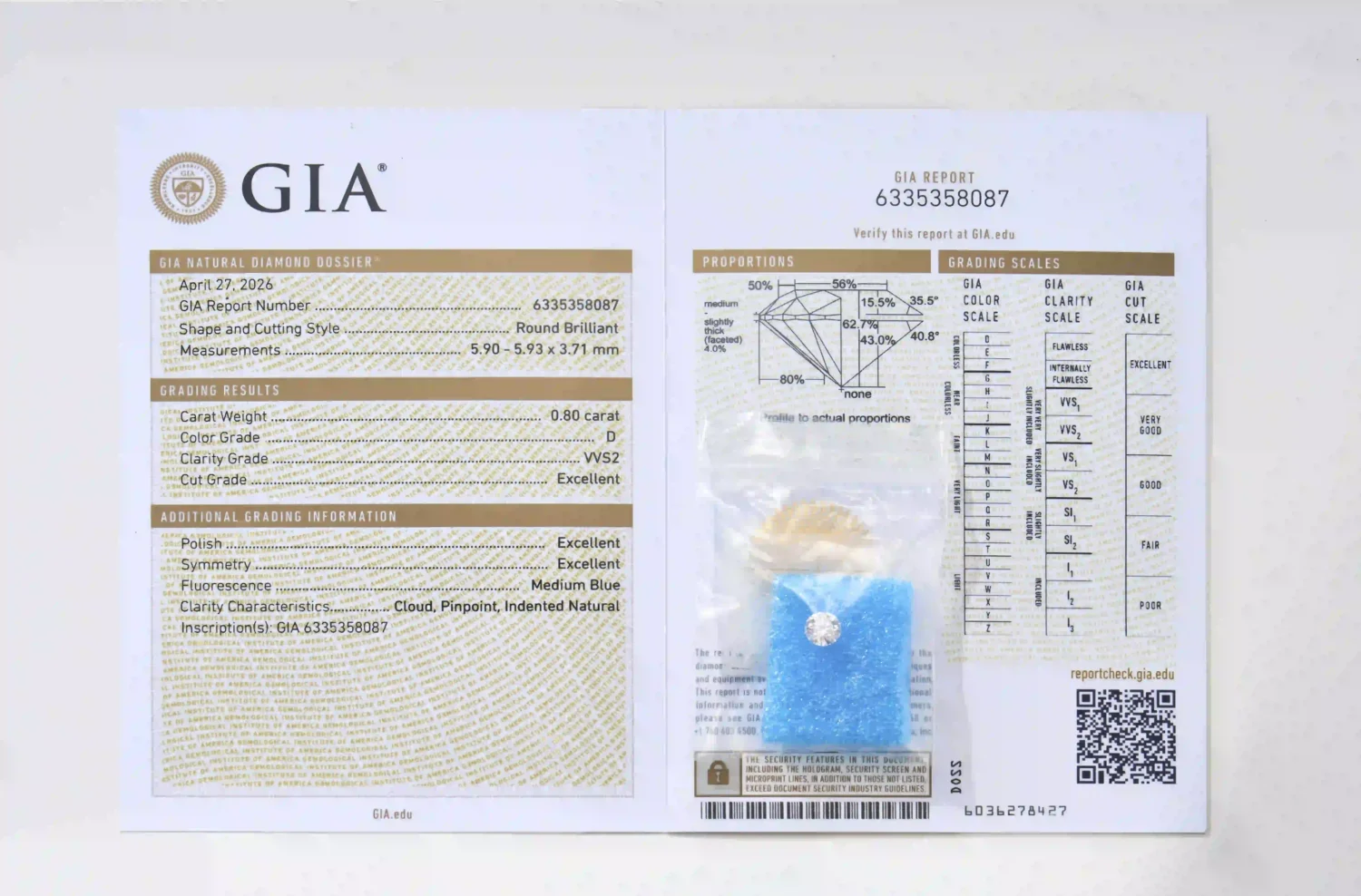
Not every product necessarily requires the same documentation strategy. Stone size, collection positioning, customer expectations, and sales market can all influence that decision.
Agree on documentation requirements before sourcing begins, rather than trying to solve them after production starts.
Choose the Metal and Setting as One Design Decision
Metal and setting choices directly affect the appearance, durability, and production cost of lab grown diamond jewelry. Brands should select them together during product development.
Sterling silver and solid gold offer different options for product positioning and pricing. Setting styles such as prong, bezel, and pavé also influence the jewelry’s appearance, metal structure, and manufacturing complexity.
An experienced lab grown diamond jewelry manufacturer can help brands select suitable materials and setting structures based on the diamond specifications, design requirements, and target cost. This helps create jewelry with the intended appearance, secure stone settings, and reliable construction.
Turn Your Collection Into Production-Ready Designs
Turning a jewelry concept into a finished product requires clear design specifications and practical manufacturing expertise. Brands can start by sharing sketches, reference images, preferred diamond specifications, materials, target price, and expected order quantity.
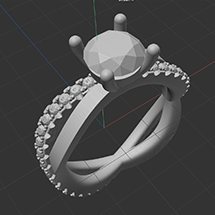
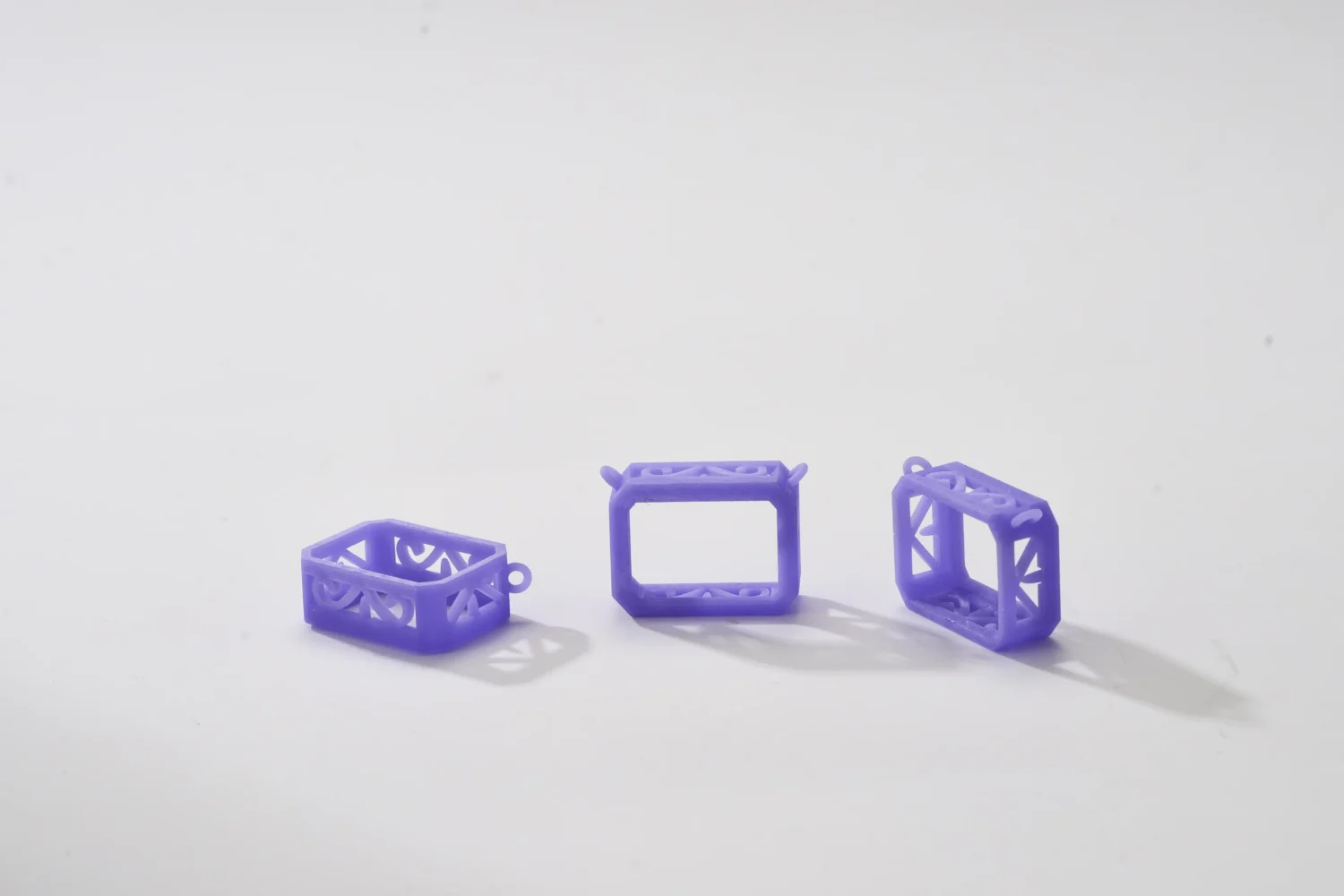
Choosing a lab grown diamond jewelry manufacturer with an in-house design and CAD team can make this process more efficient. The design team can refine the initial concept, develop the jewelry’s proportions and setting structure, and create detailed CAD models for review.
CAD design allows brands to check product dimensions, diamond placement, and structural details before physical sampling. Early design adjustments help reduce unnecessary sample revisions and prepare the collection for production.
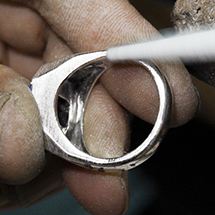
The development team should consider stone fit, prong dimensions, wall thickness, connections, polishing access, assembly, and other practical details before moving the design into sampling.
Control Quality From Specification to Bulk Production
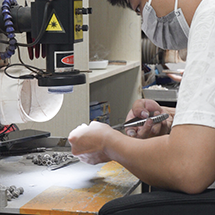
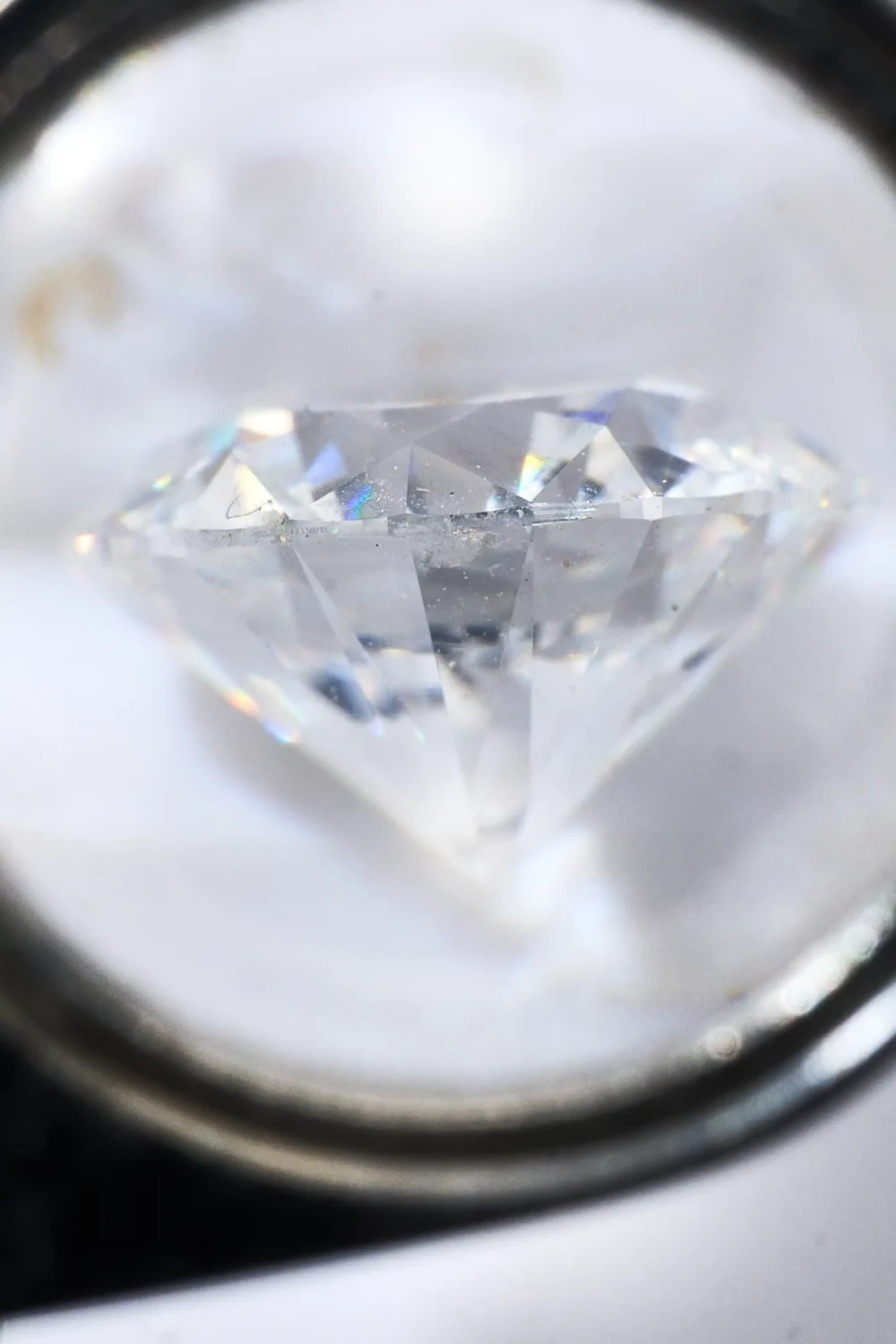 Quality control does not begin when finished jewelry reaches the final inspection table.
QC starts with clear specifications.
If the brand and manufacturer never define the acceptable diamond range, dimensions, setting requirements, finish, or approved sample standard, the final QC team has no precise reference for deciding whether production matches the intended product.
For lab grown diamond jewelry, production control may include:
- Diamond specifications and matching
- Stone dimensions
- Setting security
- Prong consistency
- Casting quality
- Product dimensions
- Metal surfaces
- Polishing
- Plating or finishing where applicable
- Clasps and functional components
- Logo placement
- Final appearance
The goal of QC should not be to invent a quality standard at the end. The goal is to reproduce the product decisions that the brand and manufacturer already approved during development and sampling. That distinction becomes increasingly important as order quantities grow.
What Should You Discuss With a Lab Grown Diamond Jewelry Manufacturer?
You do not need to finalize every technical detail before contacting a manufacturer.
But the more clearly you communicate the commercial and creative direction, the more useful the manufacturer’s feedback can become.
Discuss your target customer and price position, product mix, diamond direction, materials and finishes, current design status, expected quantity, quality requirements, and timeline.
- If you already have sketches or CAD files, share them.
- If you only have reference images and a collection idea, explain what you want the products to achieve rather than trying to define technical specifications you have not finalized yet.
- If you are still evaluating potential suppliers, our guide to choosing a lab diamond jewelry manufacturer covers the manufacturer selection process separately.
This article focuses on what comes next:
turning the collection idea into a product that a manufacturer can sample, produce, repeat, and scale.
3 Lab Grown Diamond Jewelry Manufacturers to Explore for Your Collection
Choosing a manufacturing partner is an important step in launching a lab grown diamond jewelry collection. Brands should consider each manufacturer’s diamond sourcing capabilities, design support, sampling process, and production services.
Here are three manufacturers to explore for your collection development project.
1. Tianyu Gems — Custom Jewelry and Gemstone Manufacturing
Tianyu Gems is a custom jewelry manufacturer offering lab grown diamond, moissanite, and gemstone jewelry. Its services include CAD design, custom jewelry development, sampling, and OEM/ODM production for jewelry brands, designers, retailers, and wholesalers.
The company offers customization across different jewelry categories and materials, including gold, platinum, and sterling silver. Brands can submit sketches, reference images, or existing CAD files to discuss their projects.
Website: Tianyu Gems
2. Variation Design — Lab Grown Diamond Jewelry Manufacturing
Variation Design is an India-based jewelry manufacturer offering custom development, OEM/ODM manufacturing, and private label production.
Its lab grown diamond jewelry services cover CAD development, sampling, diamond setting, manufacturing, and quality control. The company also supports repeat production based on approved product specifications.
Its product categories include engagement rings, earrings, necklaces, bracelets, and other diamond jewelry.
Website: Variation Design
3. Yinyuan Jewelry — Custom Lab Grown Diamond Jewelry Development
Yinyuan Jewelry works with jewelry brands, designers, and wholesalers to develop custom jewelry collections.
Our team supports product development from initial concepts and CAD design to diamond sourcing, sampling, and bulk production. Brands can share their sketches, reference images, preferred diamond specifications, materials, target price, and expected order quantity.
During development, we help brands refine their designs, evaluate manufacturing requirements, and prepare samples for approval. Our manufacturing services also cover stone setting, finishing, assembly, and quality control.
Explore our lab grown diamond jewelry manufacturing services to learn more about our capabilities.
Start Developing Your Lab Grown Diamond Jewelry Collection
Before contacting a manufacturer, prepare a clear project brief covering your collection concept, design references, diamond requirements, materials, target price, and expected production quantity.
Planning a custom lab grown diamond jewelry collection? Share your ideas and product requirements with Yinyuan. Our team can help you review your designs, develop samples, and prepare your collection for production.
Start Your Lab-Grown Diamond Jewelry Project→
FAQs
What should I prepare before contacting a lab grown diamond jewelry manufacturer?
Start with your collection concept, target customer, expected price position, preferred product categories, reference images or sketches, diamond direction, metal preference, estimated quantity, and launch timeline. You do not need to finalize every technical detail first. Your manufacturer can help refine specifications during development.
How do I choose diamond specifications for a custom jewelry collection?
Start with the finished product rather than automatically choosing the highest specification available. Consider stone dimensions, visual appearance, setting, target customer, price position, matching requirements, and documentation needs. Then define an acceptable sourcing range with your manufacturer.
Do all lab grown diamonds need a GIA report?
Not necessarily. Documentation requirements depend on factors such as stone size, product positioning, customer expectations, and the brand’s sourcing strategy. GIA currently offers its Laboratory-Grown Diamond Quality Assessment for qualifying loose, colorless to near-colorless laboratory-grown diamonds weighing 0.15 carats or more.
Should I develop many SKUs for my first collection?
A larger SKU count does not automatically create a stronger launch. A focused collection built around clear hero products and supporting designs can simplify sampling, production, inventory planning, and later analysis.
What should I check when approving a jewelry sample?
Review more than appearance. Check proportions, stone placement, setting security, dimensions, metal finish, polishing, comfort, functional components, branding details, cost, and production feasibility. The approved sample should provide a useful reference for bulk manufacturing.
Can Yinyuan develop a lab grown diamond jewelry collection from an idea?
Yes. You can start with sketches, reference images, existing designs, or an initial collection concept. Yinyuan can support the development process through CAD, sourcing, sampling, manufacturing, finishing, and quality control.
