

Introduction
Jewelry plating isn’t just about color—it defines the look, feel, and longevity of your pieces. The right jewelry plating options can make a design stand out while protecting it over time.
For designers, brands, and retailers working with a custom jewelry manufacturer, understanding plating materials, techniques, and finishes is essential for creating premium products.
What Are Jewelry Plating Options?
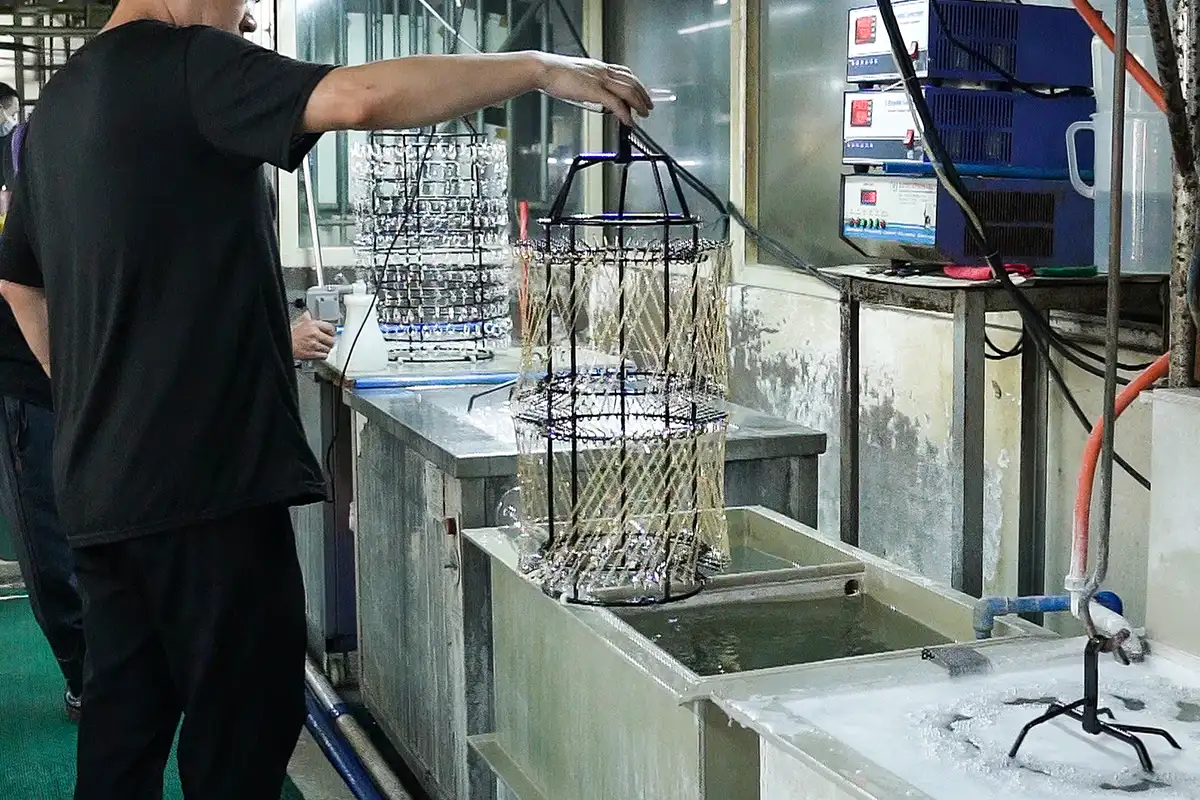
Jewelry plating is the process of applying a thin layer of metal to the surface of a base material like brass, silver, or stainless steel.
It can enhance:
- Appearance
- Durability
- Color variety
- Anti-tarnish protection

Common Jewelry Plating Options
Gold Vermeil & Gold Filled
Vermeil Jewelry: 925 sterling silver base + thick gold layer (≥2.5 microns)
For Gold Filled Jewelry: Mechanical bonding of gold layer to base metal(Usually brass or copper, sometimes nickel-free alloys), much thicker than standard gold plating
- Durable and premium-feeling; suitable for long-term wear.
- Meets regulatory standards in US and EU markets, appealing to B2B clients.
- Application: Ideal forhigh-end fashion or jewelry collections targeting discerning customers.
- Design tip:Perfect for custom designer rings, pendants, and bracelets where both appearance and longevity matter.

Gold Plating
Gold plating remains the most widely used option in fashion and fine jewelry. It involves depositing a thin layer of gold over a base metal such as brass or sterling silver.
- Variety of finishes: Yellow, rose, and white gold.
- Thickness matters: 5–3 microns is standard; thicker layers increase durability.
- Base Metal:Usually brass, copper, or sterling silver
- Durability: Suitable for occasional and daily wear depending on thickness.
- Application: Perfect for fashion collections or premium designs when paired with sterling silver or brass bases.

Rhodium Plating
Rhodium, part of the platinum family, is commonly applied to white gold and sterling silver pieces.
- Provides amirror-like, reflective finish that enhances brilliance.
- Acts as a protective layer, preventing tarnish and oxidation.
- Especially effective for fine detailing and small prong settings, keeping designs bright and durable.
PVD Coating (Physical Vapor Deposition)
PVD is a modern plating technology that deposits metal in a vacuum environment, creating a thin but extremely durable coating.
- Extremely wear-resistant compared to traditional electroplating.
- Environmentally friendly: uses less hazardous chemicals.
- Maintains color consistency over time.
- Application: Great for stainless steel jewelry, modern designs, and high-end fashion collections.
Black Rhodium
These darker finishes are increasingly popular in modern and unisex jewelry.
- Creates a dramatic contrast with gemstones or other metal accents.
- Offers high-end, contemporary aesthetic, popular in boutique and designer collections.
- Requires precise application, as scratches and wear are more visible on dark finishes.
- Design tip: Combine with geometric or minimalist designs to appeal to younger luxury buyers.

Functional / Protective Coatings
Always recommend functional coatings on pieces intended for daily wear or export to sensitive-skin markets.
- Anti-Tarnish Coating:Prevents oxidation and keeps jewelry bright over time.
- E-Coating:Transparent layer that increases durability without affecting color.
- Hypoallergenic Plating:Nickel-free and skin-friendly, important for global markets.
How to Choose the Right Plating Option
Selecting the right jewelry plating option is crucial for both aesthetics and durability. For brands, designers, and retailers working with a custom jewelry manufacturer, consider the following factors:
- Base Material Compatibility
Different plating methods work best with specific base metals:
- Gold Plating: works on brass, copper, or sterling silver
- Gold Vermeil: only over 925 sterling silver
- Gold Filled: usually over brass or nickel-free alloys
- Rhodium or PVD: suitable for silver, white gold, or stainless steel
Choosing the right base metal ensures proper adhesion, longevity, and visual quality.
- Durability and Wear
Consider how often the jewelry will be worn:
- Daily wear: choose thicker gold-filled layers, PVD, or rhodium plating for long-lasting protection
- Occasional wear: standard gold plating or vermeil may be sufficient
Thicker and modern coatings resist scratches and tarnish, which is especially important for high-end B2B clients shipping to international markets.
- Design and Aesthetic Goals
Plating affects the final look:
- Gold Plating & Gold Vermeil: warm tones, classic appeal
- Rhodium: bright, reflective finish for white gold or silver
- PVD / Black Rhodium: contemporary, edgy finishes
- Surface Finishes: high polish, matte, or brushed can dramatically change the piece’s perception
Match plating with gemstones, metal colors, and overall collection theme.
- Target Market and Compliance
- Ensure plating meets regional safety standards (e.g., nickel-free for EU, hypoallergenic coatings for US and Middle East markets)
- High-end clients expect consistent quality and durable finishes suitable for long-term wear
- Budget and Production Volume
- Thicker and premium platings cost more but reduce replacement and return issues
- For bulk orders or recurring collections, consider cost-per-piece vs durability
At Yinyuan, we offer full-service jewelry plating options including gold, rhodium, and protective coatings tailored to your designs. Contact us to discuss your project and elevate your collection today.
Conclusion
Choosing the right jewelry plating option impacts both appearance and longevity. Gold, rhodium, PVD, and protective coatings each offer unique advantages. Understanding these differences allows brands to deliver jewelry that looks premium and stands the test of time.
