

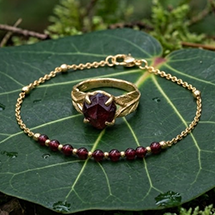
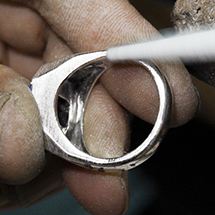
If you have ever checked the inside of a silver ring or looked near the clasp of a necklace, you may have noticed a small “S925” stamp. At that moment you may think what does S925 mean on jewelry, and does it indicate that the piece is made from real silver?
The short answer is that S925 usually means the jewelry contains 92.5% pure silver and 7.5% other alloy metals. This composition is commonly known as sterling silver. The letter “S” refers to silver, while “925” indicates that 925 out of every 1,000 parts of the metal are pure silver.
However, the stamp alone does not explain everything about the jewelry. Emerging jewelry brands, new designers, and first-time silver jewelry wholesalers also need to understand how S925 differs from S999, whether it can tarnish, and which silver type better suits their products. This guide explains the meaning of S925, compares S925 and S999 silver, shows how jewelry brands can select the right silver material for different products and help you how to choose silver jewelry manufacturer for your silver jewelry line.
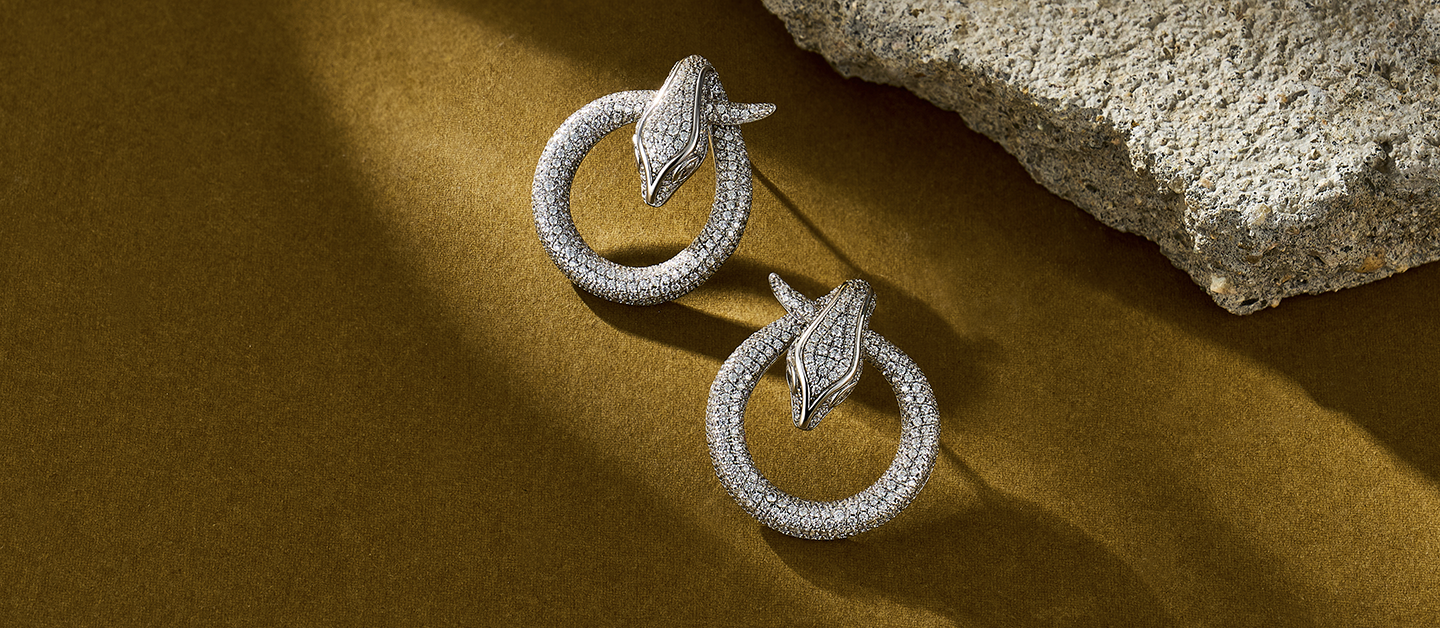
What Does S925 Mean?
S925 is a common mark used on sterling silver jewelry. It generally indicates the following composition:
- 5% pure silver
- 5% alloy metals, commonly including copper
Pure silver is relatively soft. Adding a controlled amount of another metal gives sterling silver more strength, helping rings, bracelets, necklaces, earrings, clasps, and stone settings maintain their shape during normal use.
According to the Federal Trade Commission’s guidance on silver jewelry, products described as sterling silver contain 92.5% pure silver and may carry a 925 mark.
This means that S925 is real silver, but it is not 100% pure silver. It is an alloy designed to balance silver content with practical durability.
Is S925 the Same as 925 Sterling Silver?
In most jewelry descriptions, S925, 925, .925, and sterling silver refer to the same silver purity level: 92.5% silver.
The marks may appear in several forms:
| Mark | Common meaning |
| S925 | Sterling silver containing 92.5% silver |
| 925 | 925 parts pure silver per 1,000 |
| .925 | Decimal-style expression of the same purity |
| Sterling | A word mark for sterling silver |
| Ster. | An abbreviated sterling silver mark |
The “S” in S925 does not indicate a higher grade than a standard 925 stamp. Therefore, S925 is not automatically better, purer, or more valuable than jewelry marked only with 925.
Marking practices can differ between manufacturers and markets. A factory may use S925, 925, or another approved mark depending on the destination country, product size, customer request, and local labeling requirements.
A stamp is useful, but it is not absolute proof of authenticity by itself. An incorrect mark can be added to a product, so jewelry brands should also use reliable material sourcing, supplier documentation, and testing when necessary.
What Is S999 Silver?
S999 generally refers to silver with a purity of approximately 99.9%. It is also called fine silver or 999 silver.
Compared with S925, S999 contains less alloy metal. This gives it a higher silver content, but it also makes the material softer and more prone to bending, denting, or losing its shape.
S999 can work well for selected products, including:
- Simple pendants
- Decorative silver pieces
- Artisan jewelry
- Pieces with limited structural stress
- Some traditional silver products
- Selected fine silver earrings or bracelets
However, higher purity does not automatically make S999 better for every jewelry design. A delicate stone setting, functional clasp, thin ring band, or articulated bracelet may need greater hardness and structural stability than fine silver provides.
An S999 or 999 bracelet can feel valuable because of its high silver content, but the design must account for the softness of the material. A heavy, simple bangle may work differently from a fine chain bracelet with a small clasp and multiple soldered components.
S925 vs S999 Silver: Key Differences
The main difference between S925 and S999 is silver purity. That difference affects hardness, wearability, production, and suitable applications.
| Feature | S925 sterling silver | S999 fine silver |
| Silver content | 92.5% | Approximately 99.9% |
| Alloy content | Approximately 7.5% | Approximately 0.1% |
| Hardness | Stronger and more stable | Softer and more flexible |
| Shape retention | Better for regular wear | More likely to bend or dent |
| Stone setting | Generally more practical | May be too soft for some settings |
| Product range | Rings, earrings, necklaces, bracelets and stone-set jewelry | Selected simple, artisan or decorative designs |
| Tarnish behavior | Can tarnish, partly because of alloy metals | Can still tarnish, but contains less reactive alloy metal |
| Manufacturing use | Widely used for commercial jewelry | Used more selectively |
1. Purity
S999 contains more pure silver than S925. If silver content is the only consideration, S999 has the higher purity.
However, jewelry needs more than purity. A wearable product must also hold its shape, secure stones, support hinges or clasps, and withstand regular handling. That is why many manufacturers use S925 for commercial silver jewelry.
2. Strength and Durability
The alloy content in S925 improves hardness and structural stability. This makes sterling silver suitable for rings, chains, clasps, prongs, earring posts, and other components that need to maintain precise dimensions.
S999 is softer. It may scratch, dent, or bend more easily, especially in thin or highly detailed products. Designers need to consider metal thickness, product weight, and construction when using fine silver.
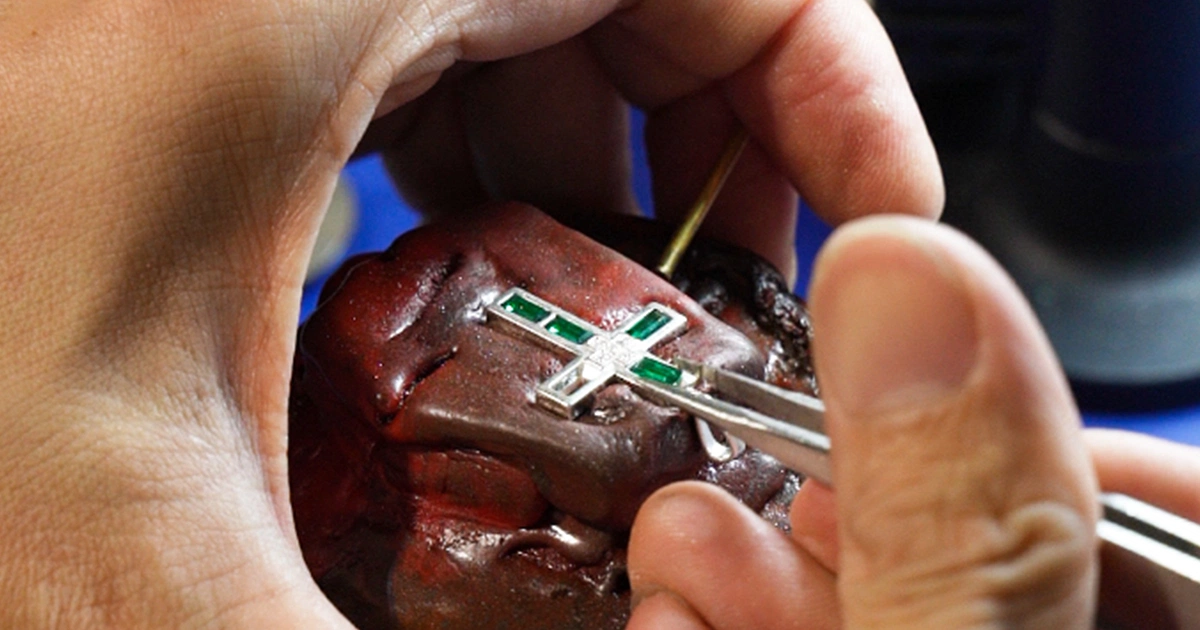
3. Tarnish
Both S925 and S999 silver can experience surface changes.
Sterling silver commonly contains copper. Copper can react with sulfur-containing substances in the environment and contribute to tarnish. The Sheffield Assay Office explains that copper in sterling silver may react with sulfur-containing gases and form copper sulfide on the surface.
S999 contains very little alloy metal, so it may tarnish more slowly under some conditions. However, it is inaccurate to say that fine silver can never tarnish. Air quality, humidity, storage materials, cosmetics, perspiration, chemicals, and surface contamination can all affect appearance.
4. Design Flexibility
S925 offers broad design flexibility. Manufacturers can use it for casting, stone setting, polishing, plating, engraving, soldering, and many other jewelry processes.
S999 offers excellent malleability, which can suit particular hand-formed or artisan techniques. At the same time, its softness may limit its use in products that need rigid structures or secure mechanical functions.
5. Commercial Suitability
For most jewelry brands, S925 offers a practical balance between precious-metal value, manufacturing consistency, durability, and customer familiarity.
S999 can support a specialist collection, but the brand should explain its softness and intended use clearly. Higher purity should not become an unsupported promise of better overall jewelry quality.
Which Silver Is Better for Rings, Bracelets, Necklaces, and Earrings?
The right silver depends on how customers will wear the product and how much structural strength the design requires.
S925 Silver Rings
S925 is generally more practical for rings because rings experience frequent contact with hands, surfaces, water, cosmetics, and other objects. A stronger alloy helps the ring maintain its shape and supports prongs, pavé settings, bezels, and other stone-setting structures.
S999 may work for thicker, simple ring designs, but thin bands and detailed settings may deform more easily.
S925 and S999 Bracelets
Bracelets move against the wrist, clothing, desks, and other surfaces. They may also include hinges, clasps, chains, jump rings, or soldered links.
S925 is usually the more versatile choice for commercial bracelet production. S999 can work for selected bangles or traditional fine silver designs, but the manufacturer should evaluate metal thickness and construction carefully.
Silver Necklaces and Pendants
S925 works well for chains, clasps, pendants, and stone-set necklaces. Its strength helps small components retain their shape.
S999 may suit solid pendants or simple decorative elements that do not carry much mechanical stress. For chains, connectors, and functional clasps, sterling silver is often more practical.
Silver Earrings
Both silver types may work for earrings, depending on the design. S925 is suitable for hoops, posts, hinges, stone settings, and detailed cast pieces. S999 may suit simple lightweight designs, although very thin components can bend more easily.
For every product category, designers should evaluate appearance, structure, weight, comfort, production method, and target price rather than selecting material based only on purity.
Does S925 Silver Tarnish?
Yes, S925 silver can tarnish. Tarnish does not necessarily mean the jewelry is fake or poorly made.
Sterling silver contains alloy metals that improve its strength. These metals can react with environmental substances, especially sulfur compounds, and produce a darker surface layer.
Factors that can accelerate tarnish include:
- Humidity and moisture
- Perspiration and body oils
- Perfume and cosmetics
- Household chemicals
- Chlorinated water
- Sulfur-containing packaging materials
- Rubber, wool, and some fabrics
- Long periods of improper storage
Regular wear can produce different results. In some cases, gentle contact with clothing helps polish exposed areas. In other cases, sweat, chemicals, and humidity cause the surface to darken faster.
Jewelry care matters. Store sterling silver in a dry place, separate pieces to reduce scratching, and use an appropriate silver-polishing cloth when needed. The Gemological Institute of America also recommends keeping sterling silver in anti-tarnish storage materials as part of proper jewelry care.
For brands, it is safer to describe S925 as a durable precious-metal alloy than to promise that it is completely tarnish-free.
How Can You Tell Whether S925 Jewelry Is Real?
A visible S925 stamp is a useful starting point, but buyers and brands should examine more than the mark.
Check the Product Description
The description should state that the piece is made from 925 sterling silver. Be careful with terms such as “silver tone,” “silver color,” or “silver plated,” because these do not mean the product contains solid sterling silver throughout.
Look at the Marking
Common locations include:
- Inside a ring band
- Near a necklace or bracelet clasp
- On the back of a pendant
- On an earring post or backing
- On a small attached metal tag
Very small or delicate jewelry may have limited space for a mark. Marking requirements also vary by market.
Ask for Material Documentation
For B2B orders, brands can request material declarations, supplier records, inspection reports, or third-party testing based on their market requirements.
Use Professional Testing When Necessary
XRF testing can help identify metal composition without damaging the product. Other testing methods may also be available, depending on the laboratory and required level of accuracy.
Home tests such as magnets, ice, or polishing cloths may offer clues, but they cannot always prove exact silver purity. A stamped imitation can pass a visual check, while some authentic pieces may behave differently because of plating or construction.
For bulk production, professional material control is more dependable than testing a single finished piece informally.
Why Do Jewelry Brands Commonly Choose S925?
S925 is popular because it balances precious-metal content with practical performance.
For jewelry brands, its advantages include:
- Recognizable sterling silver positioning
- Better shape retention than fine silver
- Suitability for casting and detailed designs
- Compatibility with many stone-setting methods
- Broad use across rings, earrings, necklaces, and bracelets
- Compatibility with polishing, rhodium plating, gold plating, and vermeil
- Familiarity among retailers and consumers
Sterling silver also gives brands flexibility in product positioning. It can support polished silver collections, oxidized finishes, rhodium-plated styles, gold-plated designs, and vermeil jewelry.
However, product quality depends on more than the S925 stamp. Casting quality, soldering, polishing, stone setting, plating thickness, protective finishing, and final inspection all affect the customer experience.
That is why material selection should form part of a complete jewelry manufacturing plan.
What Should Brands Confirm With a Silver Jewelry Manufacturer?
Before ordering a custom S925 collection, ask the manufacturer to confirm the following details.
Silver Composition and Marking
Specify 925 sterling silver in the product documentation. Confirm the required stamp and whether additional maker or responsibility marks apply to the destination market.
Alloy Composition
The remaining 7.5% is not always identical across suppliers. Ask about the alloy system when skin sensitivity, color, soldering, or production performance is important. Avoid making an unqualified hypoallergenic claim unless the composition and testing support it.
Product Weight and Dimensions
Agree on target weight, dimensions, wall thickness, ring size, chain length, and acceptable tolerances. Small differences can affect cost, comfort, and perceived quality.
Surface Finish
Confirm whether the product requires high polishing, matte finishing, brushing, sandblasting, oxidation, rhodium plating, gold plating, or another finish.
Plating Specifications
For gold-plated silver or vermeil, confirm gold color, karat, plating thickness, base layers, protective coating, and testing requirements before production.
In the United States, the FTC describes vermeil as a sterling silver base plated on significant surfaces with gold of at least 10K and a minimum equivalent thickness of 2.5 microns of fine gold. Requirements and accepted terminology may differ by market, so brands should check the rules for their sales region.
Sample and Quality Approval
Review the sample for dimensions, surface finish, stone security, soldering, clasp function, marking, and plating color. Keep the confirmed sample and specification sheet as references for mass production.
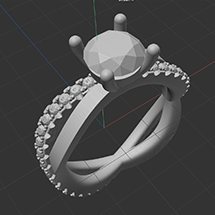
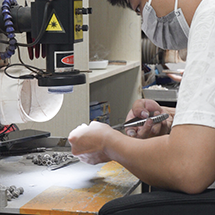
Through its custom jewelry service, YinYuan Jewelry supports design review, CAD development, sampling, customization, production, and final inspection for brand projects.
Frequently Asked Questions About S925 Silver
Is S925 real silver?
Yes. S925 generally refers to sterling silver containing 92.5% pure silver and approximately 7.5% alloy metals. It is real silver, although it is not pure S999 silver.
What does the S in S925 mean?
The “S” is commonly used to indicate silver. The number 925 communicates the metal’s fineness: 925 parts silver per 1,000.
Is S925 better than 925 silver?
No. S925 and 925 usually describe the same sterling silver purity. The extra “S” does not make the material purer or more valuable.
Is S999 better than S925?
S999 has a higher silver content, but it is also softer. S925 is generally more practical for everyday rings, bracelets, chains, clasps, and stone-set jewelry. S999 may suit selected fine silver or artisan designs.
Does S925 silver turn green?
Sterling silver can tarnish or leave temporary discoloration under certain conditions, especially when alloy metals react with moisture, sweat, cosmetics, or chemicals. A green mark does not by itself prove whether a product is genuine or fake. The exact alloy, surface finish, environment, and individual skin chemistry all matter.
Can S925 be gold plated?
Yes. Manufacturers can apply gold plating to S925 sterling silver. When a product is marketed as vermeil, the plating and base material should meet the relevant requirements of its target market.
Is S925 suitable for sensitive skin?
Many people wear sterling silver comfortably, but reactions can depend on the alloy composition and individual sensitivity. Brands should confirm which alloy metals the manufacturer uses and avoid absolute allergy-related claims without supporting evidence.
Is a 925 stamp enough to prove authenticity?
No. The stamp is an important indicator, but it can be copied. Reliable sourcing, material documentation, supplier controls, and professional testing provide stronger verification.
Choose the Right Silver for Your Jewelry Collection
S925 means that a jewelry piece generally contains 92.5% pure silver combined with alloy metals that improve its strength and stability. S999 contains more silver, but its softness makes it less practical for many everyday jewelry designs.
For most commercial rings, earrings, necklaces, bracelets, clasps, and stone-set products, S925 offers a strong balance of purity, durability, design flexibility, and market acceptance. S999 remains valuable for selected designs where high silver content and malleability matter more than structural strength.
Choosing the right material is only the beginning. Consistent casting, accurate dimensions, secure stone setting, careful polishing, controlled plating, and quality inspection determine how the finished collection performs.
YinYuan Jewelry supports jewelry brands and designers with custom 925 silver jewelry development, from design and sampling to production and finishing. Visit the YinYuan Jewelry Factory or contact the team to discuss your silver jewelry designs, materials, MOQ, finishes, and production requirements.
