

Choosing a manufacturing partner is one of the most important decisions a jewelry brand or designer will make. A beautiful concept alone does not guarantee a successful collection. The final result also depends on whether the jewelry manufacturer can understand the design, source suitable materials, produce consistent samples, protect confidential information, and maintain quality during bulk production.
For a new jewelry brand, choosing the wrong supplier may lead to delayed launches, unexpected costs, inconsistent plating, loose gemstones, or products that look different from the approved sample. Designers also worry about losing control of their ideas after sharing sketches, CAD files, and technical specifications.
Before committing to a custom jewelry manufacturer, evaluate the following seven areas. They can help you reduce production risks and find a reliable long-term partner for your brand.
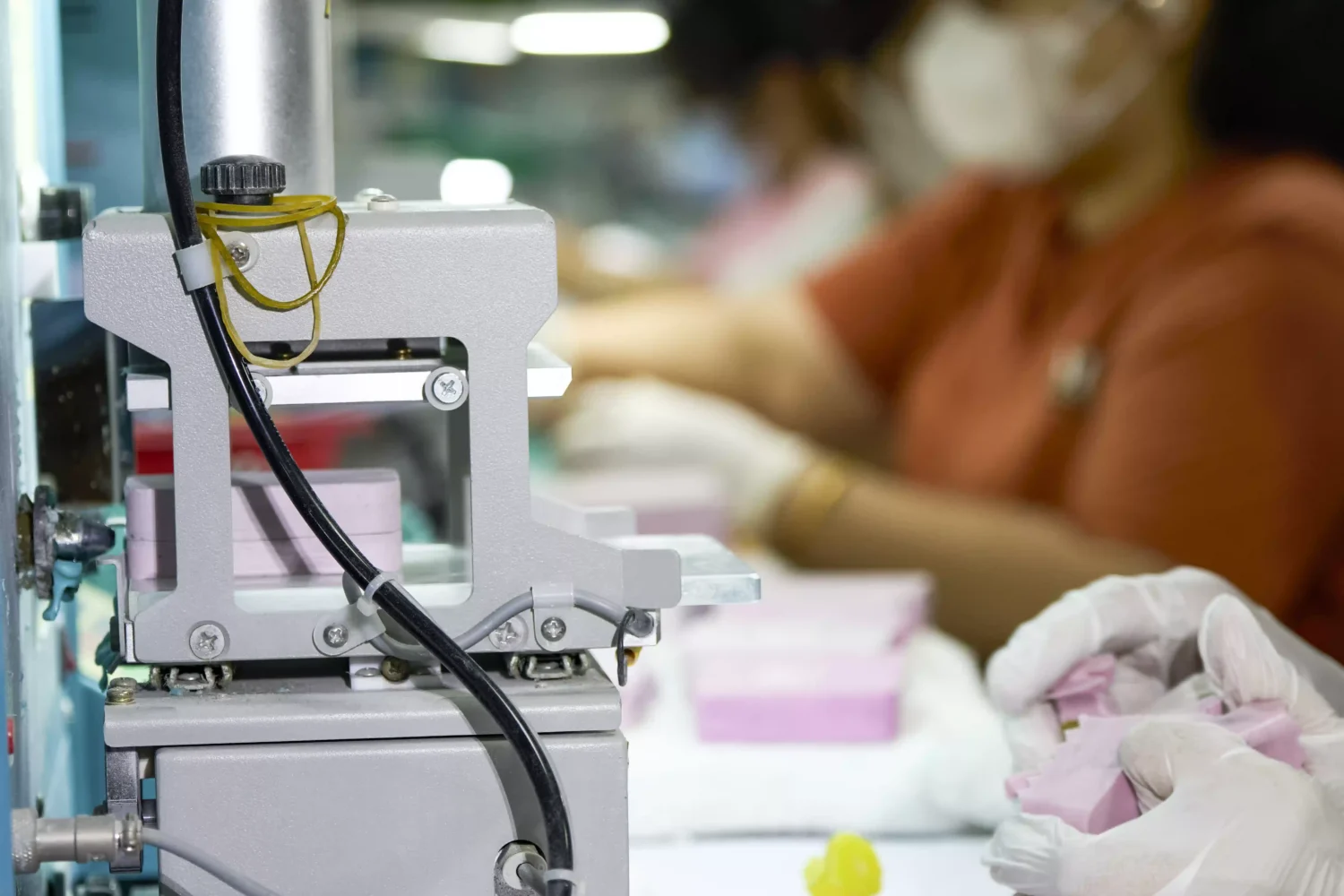
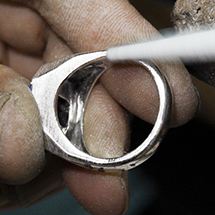
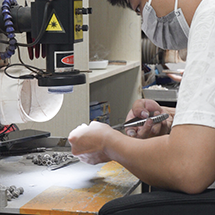
yinyuan jewelry manufacturing workshop
1. Does the Jewelry Manufacturer Understand Your Brand and Product Requirements?
A reliable jewelry manufacturer should begin by understanding your collection rather than immediately offering a price.
Every jewelry brand has a different target customer, price range, design language, and quality expectation. A minimalist silver jewelry collection requires a different production approach from a bold brass jewelry line or a fine jewelry collection featuring diamonds and colored gemstones.
Before requesting a quotation, prepare clear information about:
- Product categories, such as rings, earrings, necklaces, or bracelets
- Target materials and finishes
- Stone types, sizes, colors, and setting methods
- Intended retail price and customer segment
- Expected order quantity
- Packaging and branding requirements
- Target launch date
The manufacturer should review these requirements and identify potential production challenges. For example, a delicate design may need structural reinforcement, while a large gemstone may require a stronger setting. A skilled production team can suggest practical adjustments without changing the original design direction.
Pay attention to the questions the supplier asks. If the team only focuses on quantity and price, it may not fully understand your product. A capable custom jewelry manufacturer should discuss wearability, proportions, material behavior, finishing, and production feasibility.
2. Can the Factory Work With the Materials Your Collection Needs?
Not every jewelry factory specializes in the same materials. Some factories focus on silver jewelry, while others mainly produce brass jewelry, stainless steel pieces, solid gold products, or gemstone jewelry.
Before placing an order, confirm that the factory has real experience with your selected material.
Silver Jewelry
For 925 silver jewelry, ask how the manufacturer verifies silver content, controls casting quality, and handles polishing and plating. Fine silver designs may require careful casting and finishing to preserve small details.
If you plan to produce gold-plated silver jewelry or gold vermeil, confirm the gold plating thickness, plating color, and protective coating before sampling.
Brass Jewelry
Brass jewelry works well for fashion collections because it offers design flexibility and cost control. However, surface preparation and plating quality strongly affect the final result. Ask the jewelry supplier about polishing, base plating, gold plating thickness, color consistency, and anti-tarnish options.
Gemstones and Lab-Grown Stones
For collections featuring gemstones, ask how the supplier controls stone size, color, cutting, and setting quality. Natural gemstones may show variation, so the brand and manufacturer should agree on acceptable color and inclusion ranges before production.
For lab-grown diamonds, moissanite, or other graded stones, confirm whether reports or certificates are available when required. The sample should also establish stone-setting standards for bulk production.
Working with a manufacturer that understands several material categories can make future collection development easier. However, broad capabilities should never replace proven expertise in the specific material your product requires.
3. Does the Custom Jewelry Process Include CAD, Sampling, and Approval?
A professional custom jewelry process should have clear approval points before mass production begins.
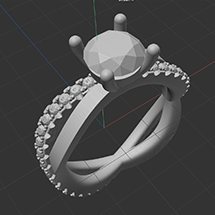
The process usually starts when the brand submits sketches, reference images, measurements, or technical drawings. The jewelry manufacturer then reviews the design and may develop a CAD model to confirm proportions, structure, stone placement, and production feasibility.
A well-managed process may include:
- Design submission and requirement review
- CAD or 3D model development
- CAD approval
- Sample production
- Sample inspection and client feedback
- Final sample confirmation
- Bulk production
- Quality inspection and delivery
Do not approve a sample based only on appearance. Check dimensions, weight, comfort, clasp function, stone security, logo placement, polishing, plating color, and packaging compatibility.
It also helps to confirm how many sample revisions the quotation includes. Ask what happens if the sample needs structural changes, a different stone size, or another plating finish.
A transparent custom jewelry service gives brands and designers greater control before the factory moves into bulk production. Clear approval records also reduce misunderstandings when several people participate in the project.
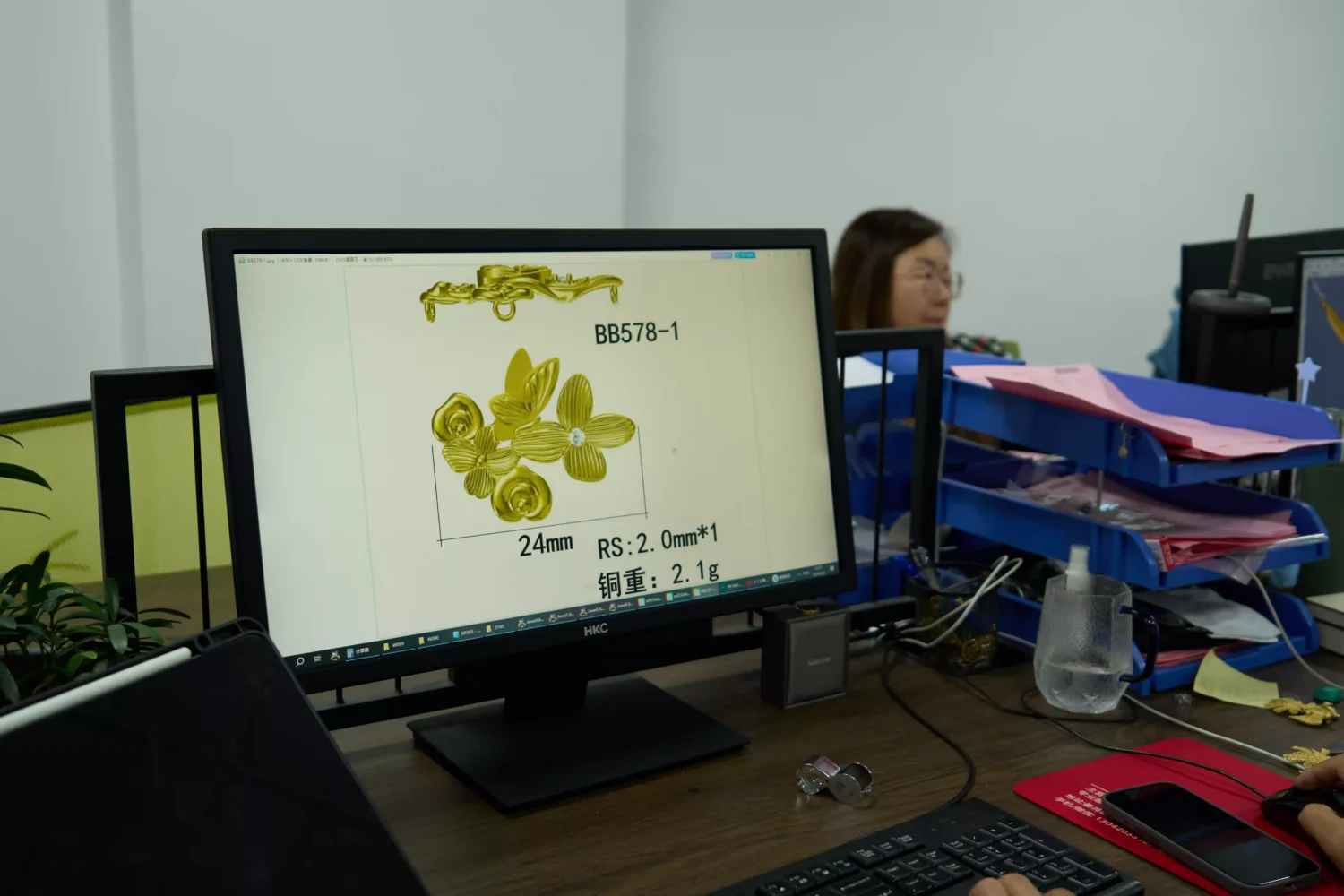
yinyuan 3d jewelry support
4. How Does the Manufacturer Protect Your Designs?
Design confidentiality is a major concern for independent designers and jewelry brands. Sharing sketches, CAD files, prototypes, pricing plans, and launch schedules requires trust.
Before sending valuable design information, ask whether the manufacturer can sign a non-disclosure agreement. The agreement should define what information remains confidential and how both parties may use project files.
You should also ask:
- Who can access your design files?
- How does the factory store CAD drawings and specifications?
- Will the manufacturer display your products online or at trade shows?
- Can the factory sell your custom design to another customer?
- Who owns the mold, CAD file, and final design?
- What happens to project files after production ends?
An NDA does not replace a good working relationship, but it establishes clear expectations from the beginning. YinYuan provides an NDA option for custom jewelry projects to help protect client designs and business information.
For jewelry brands preparing an unreleased collection, confidentiality should form part of supplier evaluation, not become an afterthought after sampling begins.
5. What Quality Control Standards Does the Jewelry Factory Use?
The approved sample shows what the factory can make once. Quality control shows whether it can reproduce that standard consistently across an entire order.
Ask the supplier to explain its inspection process in practical terms. “High quality jewelry” is too general. You need to know which details the team checks, when it checks them, and what happens when products fail inspection.
Quality checks may cover:
- Product dimensions and weight
- Metal surface defects
- Stone size, color, alignment, and security
- Clasp and hinge function
- Soldering and connection points
- Polishing and surface finish
- Plating color and thickness
- Logo position and engraving
- Pair matching for earrings
- Packaging and final quantity
For plated jewelry, ask whether the factory can measure plating thickness and perform relevant wear or corrosion tests when required. For stone-set jewelry, confirm how inspectors check loose or uneven stones.
Brands should also define acceptable tolerances before production. Handmade and natural materials may show slight variation, but both parties should agree on what constitutes an acceptable difference.
A factory visit, production video, inspection report, or clear workshop presentation can help you assess whether the supplier has real production control. Reviewing the YinYuan Jewelry Factory can give buyers a closer look at its manufacturing environment, equipment, craftsmanship, plating, and quality-control capabilities.
6. Are MOQ, Pricing, Lead Time, and Payment Terms Clear?
A low quotation does not always mean a lower total production cost. Brands should review the complete commercial structure before selecting a jewelry supplier.
Ask for a quotation that clearly identifies:
- MOQ per design, color, or size
- Sample fee
- CAD or mold fee
- Unit price
- Material and gemstone specifications
- Plating color and thickness
- Logo or engraving costs
- Packaging costs
- Testing or certification fees
- Shipping terms
- Payment schedule
MOQ deserves special attention. A supplier may advertise a low minimum order, but that minimum could apply per design, size, plating color, or stone option. If your collection has several variations, the total quantity may become much larger than expected.
Lead time should also separate sampling from bulk production. Ask when timing begins and whether it starts after deposit payment, CAD approval, sample approval, or material arrival.
For a jewelry brand planning a seasonal launch, delayed samples can affect photography, marketing, wholesale appointments, and retail delivery. Share the target launch date early and leave room for revisions, testing, packaging, and shipping.
Clear payment terms protect both sides. Confirm the deposit, balance payment, accepted payment method, and any additional charges before production begins. A reliable jewelry manufacturer should explain these details clearly rather than introducing new costs midway through the project.
7. Can the Jewelry Supplier Support Your Brand After the First Order?
The best manufacturing relationship does not end after one shipment. Jewelry brands need suppliers who can support reorders, product improvements, new materials, and collection growth.
Before choosing a partner, consider how the factory manages:
- Reorders and repeat specifications
- Color consistency between production batches
- Mold and CAD file storage
- Replacement or repair requests
- Quality claims
- Additional sizes or plating colors
- New product development
- Increased order quantities
Communication matters just as much as production equipment. A responsive account manager should understand the project history, document confirmed specifications, and communicate changes to the production team.
Ask how the supplier handles a quality issue after delivery. A trustworthy partner should investigate the cause, review production records, and discuss a practical solution. Avoid suppliers who make broad promises but cannot explain their after-sales process.
A long-term jewelry supplier should help your brand maintain product consistency while adapting to new designs and market demands. This support becomes increasingly valuable as your collection and order volume grow.
Red Flags to Watch for When Choosing a Jewelry Manufacturer
Even an attractive quotation should not distract you from warning signs. Take extra care when a supplier:
- Provides unclear material or gemstone descriptions
- Refuses to make a sample before bulk production
- Cannot explain its quality-control process
- Changes prices repeatedly without a clear reason
- Promises unrealistic production times
- Avoids discussing design ownership or confidentiality
- Uses only edited product images without showing production details
- Pressures you to pay before confirming specifications
- Responds inconsistently to technical questions
No manufacturer will be perfect in every area. However, transparency, documentation, and willingness to solve problems are strong indicators of a reliable business partner.
Why Jewelry Brands Work With YinYuan Jewelry
Choosing a custom jewelry manufacturer should give designers more confidence, not create more uncertainty.
YinYuan Jewelry supports jewelry brands through OEM and ODM development, from design review and CAD creation to sampling, mass production, quality inspection, packaging, and delivery. Its publicly presented manufacturing capabilities cover K gold, 925 sterling silver, brass jewelry, moissanite, lab-grown diamonds, and other gemstone designs.
For brands concerned about plating quality, YinYuan states that it operates an in-house plating facility with thickness control and testing options. Its custom process also includes sample confirmation before mass production, giving clients an opportunity to review design details and finishes.
For designers worried about confidentiality, NDA support helps establish protection for custom concepts and business information. Flexible production options also allow brands to evaluate new designs before committing to larger quantities.
Most importantly, a good manufacturing partnership begins with clear communication. Share your sketches, target materials, expected quantity, price position, and launch timeline so the team can assess the project accurately.
Build Your Next Collection With a Reliable Jewelry Manufacturer
The right manufacturer should understand your creative vision while helping you manage practical production risks. Before placing an order, evaluate the supplier’s material expertise, custom process, confidentiality protection, quality control, pricing transparency, lead time, and long-term support.
These seven checks can help you compare suppliers more confidently and avoid decisions based only on the lowest quotation.
If you are developing a new silver jewelry, brass jewelry, gemstone, or custom collection, contact YinYuan Jewelry to discuss your designs, material options, MOQ, sampling requirements, and production plan. A clear project brief is the first step toward turning your ideas into consistent, market-ready jewelry.
