

Color gives jewelry brands a powerful way to build recognizable collections and connect products with personal style. Customers may choose gemstone jewelry for many reasons, including birthstones, meaningful gifts, seasonal colors, personal preferences, and statement designs.
Jewelry brands should build a colorful gemstone collection around clear customer preferences and market positioning. Understanding why customers choose jewelry with gemstones helps brands decide which colors, designs, and product ideas deserve a place in the collection.
Brands can use these insights to plan their gemstone selection, design coordinated products, and decide which variations to launch. A gemstone jewelry manufacturer can then help turn these product ideas into samples and production-ready jewelry.
This guide looks at both sides of that process: how jewelry brands can position colorful gemstone jewelry for customers and how they can turn those ideas into practical products.
Understand Why Customers Buy Colorful Gemstone Jewelry
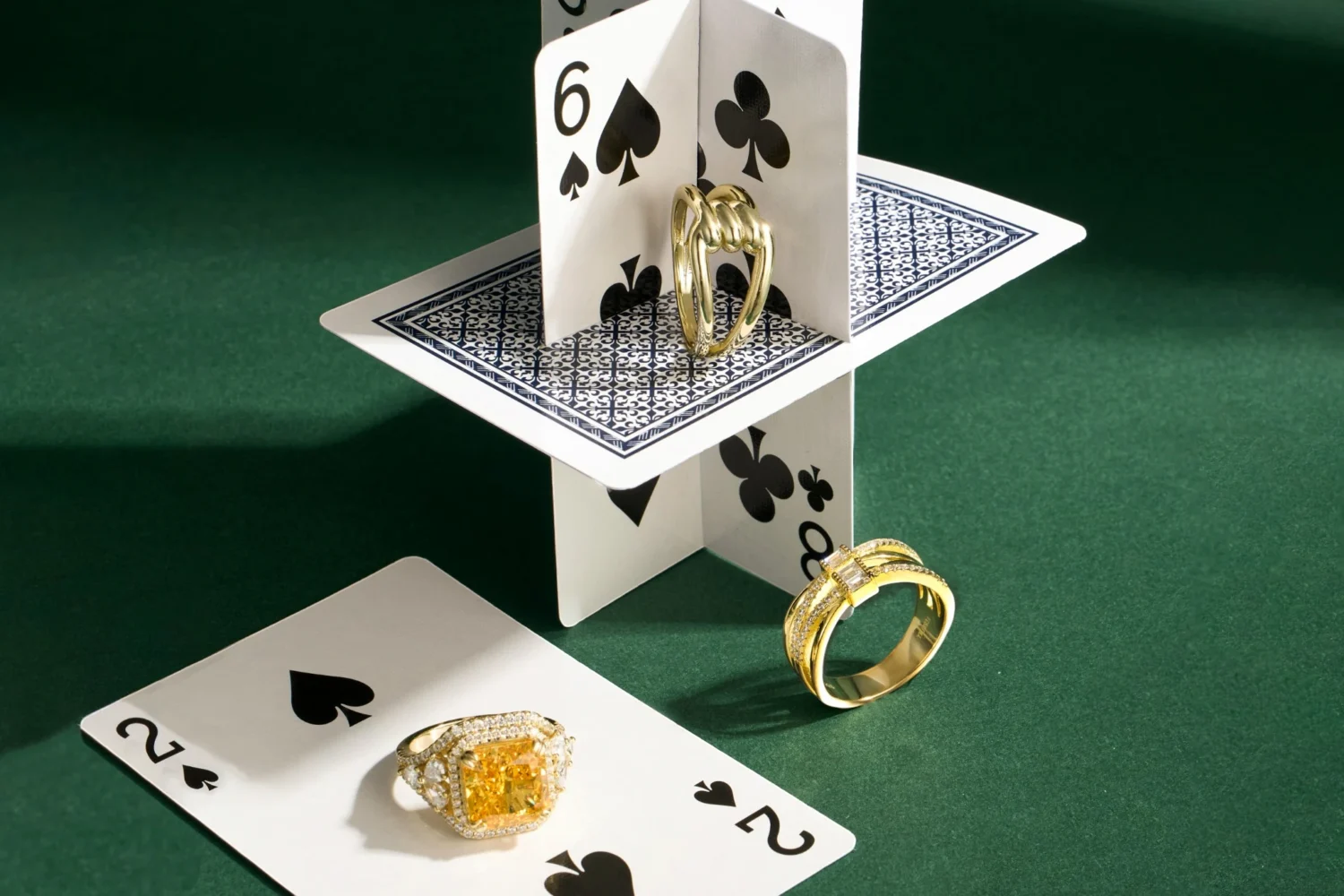
Customers can choose the same piece of gemstone jewelry for very different reasons.
Customers often choose gemstone jewelry based on color, personal style, and emotional meaning. Deep blue gemstones can complement an everyday jewelry style, while bright green or pink stones can create a stronger visual presence in statement pieces.
Birthstones add personal meaning to gemstone jewelry. Anniversaries, milestones, gifts, favorite colors, and personal symbolism can also influence gemstone choices.
This gives jewelry brands several ways to position the same product category. A colorful gemstone collection can focus on personal style, gifting, self-expression, personalization, or a specific collection story.
Before adding more stones or designs, brands should identify which of these buying motivations fits their target customers. That decision can guide the colors, designs, price range, and product variety that follow.
Use Color to Give Your Gemstone Jewelry Collection a Clear Identity
Brands can use different gemstone colors to create product variety while keeping a clear visual direction across the collection.
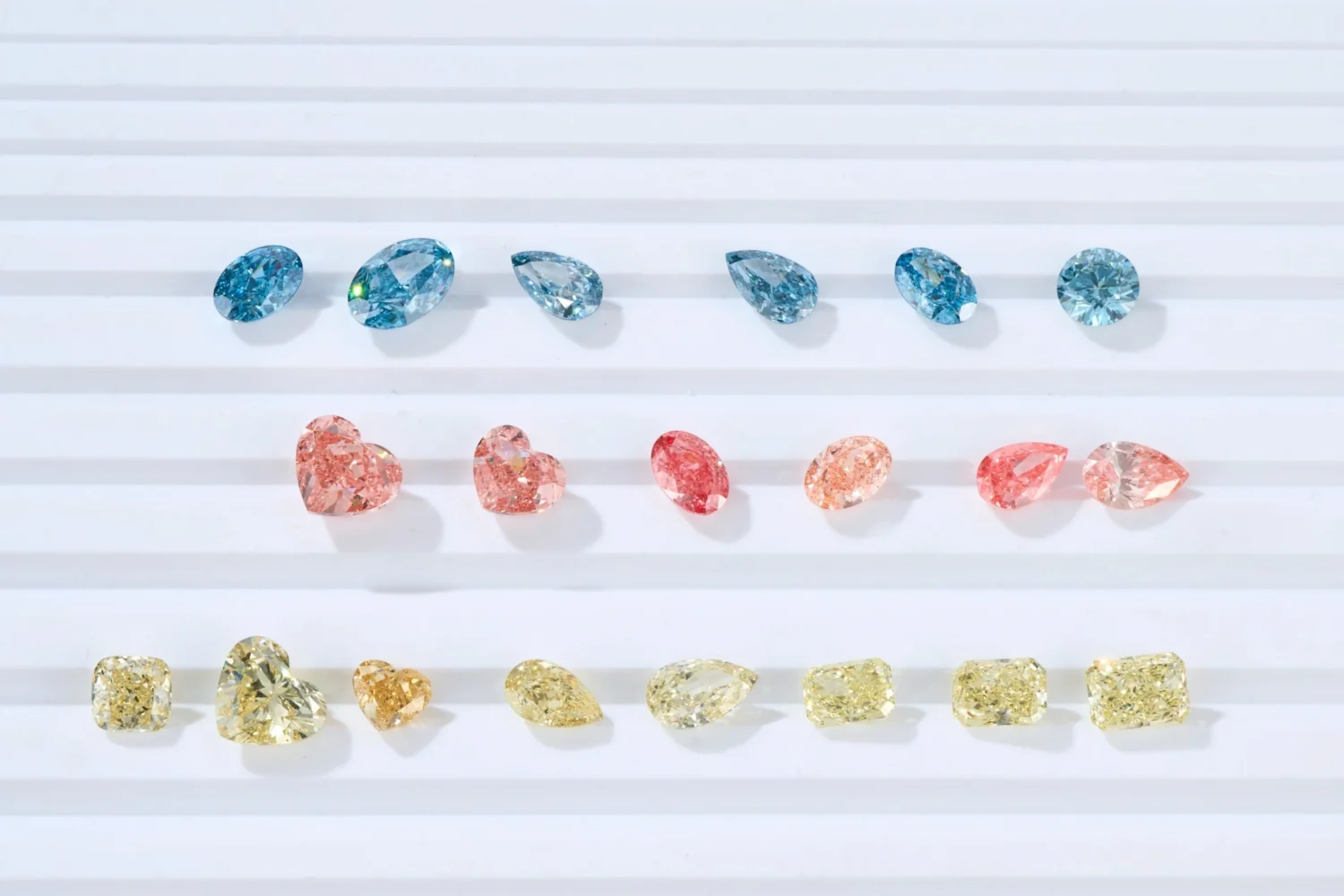
A focused color palette gives a gemstone jewelry collection a clear visual identity and makes different products feel connected. Soft pastel gemstones can support delicate and romantic designs, while rich jewel tones create a stronger and more expressive look. Warm earthy shades can suit collections with a natural or understated style. The choice should reflect the brand’s existing design language and the preferences of its target customers. A consistent palette also makes it easier to coordinate rings, earrings, necklaces, and bracelets within the same collection.
The choice depends on how customers will wear the jewelry. Softer colors can work well in delicate everyday designs, while stronger color contrasts can support statement rings, earrings, and pendants.
Brands do not need to follow every color trend. A more useful question is whether the colors make sense for their existing customers and product positioning.
A clear color direction also helps later in product development. It gives designers and manufacturers a better reference when selecting gemstone types, matching stones, developing samples, and planning additional pieces.
Create Variety Through Gemstone Shapes and Jewelry Designs
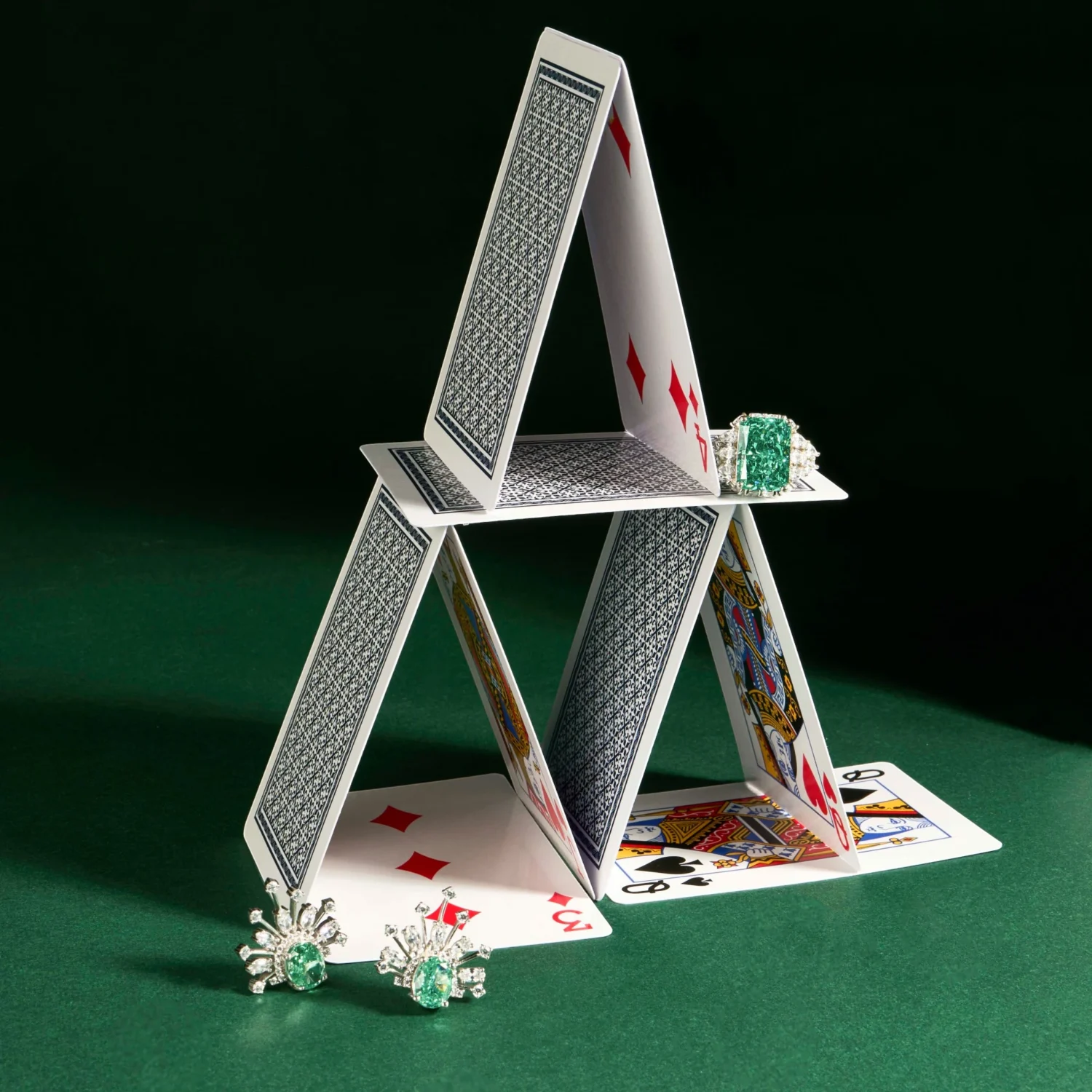
Imagine a collection built around deep green gemstones. An oval stone set in a delicate pendant can feel elegant and easy to wear. The same green in an emerald-cut cocktail ring creates a sharper, more structured look. Add small round stones to a pair of earrings, and the color starts to connect several products without making them look identical.
This is where gemstone shape becomes useful in collection planning. Oval, pear, cushion, emerald, and round cuts each bring a different proportion and character to the jewelry. Combined with different settings and product types, they give a brand room to explore one color story across rings, earrings, necklaces, and bracelets.
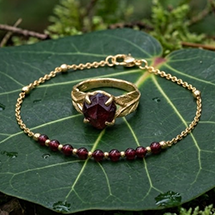
The same idea also works in the opposite direction. A well-developed ring or pendant can become the starting point for several gemstone variations. Garnet might give the design a deeper, warmer character, while amethyst or blue topaz changes its overall mood. This approach allows a brand to expand a proven design concept through color instead of creating a completely new structure for every new product.
A collection feels stronger when these variations share a recognizable design language. Repeating details such as stone proportions, setting styles, metal finishes, or design motifs can connect the pieces while each gemstone brings its own color and personality.
Before extending one design across several gemstones, the manufacturer should check the dimensions, depth, setting requirements, and availability of each stone. These practical differences determine whether the original design can support the new gemstone or needs structural adjustments.
Use Birthstones and Personalization to Create More Reasons to Buy
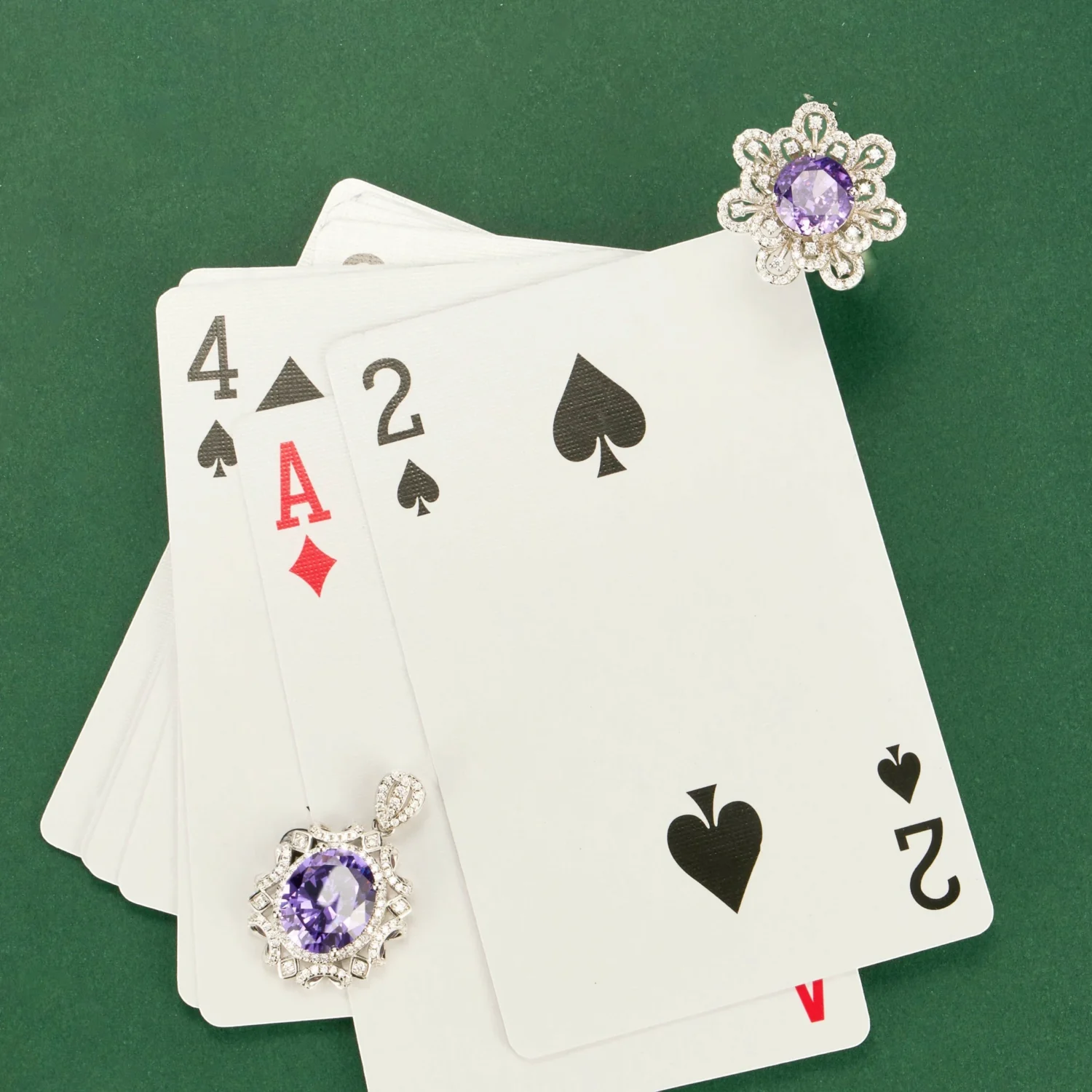
Birthstones give colorful gemstone jewelry a natural connection to personal identity. A gemstone ring, pendant, or bracelet can represent a birth month, family member, anniversary, or important milestone. These personal associations give customers another reason to choose a particular gemstone or color.
Personalization adds more possibilities to the same idea. Initials, engraving, meaningful dates, symbols, and combinations of several birthstones allow customers to connect jewelry with their own stories. For jewelry brands, these details can turn a simple gemstone design into a product with a clearer emotional and gifting purpose.
Birthstone jewelry is also evolving in design. Contemporary collections are exploring birthstones through signet rings, birth-flower concepts, bridal jewelry, and other modern interpretations. JCK’s coverage of birthstone and birth-flower jewelry trends shows how designers are combining birthstones with newer personalization concepts. This gives jewelry brands more room to interpret birthstones through their own design language instead of relying on familiar month-by-month styles.
For a colorful gemstone collection, this creates several product opportunities. One ring or pendant design can support selected birthstone variations. Family jewelry can combine several stones in one piece. A brand can also pair birthstones with initials, engraving, or symbolic details to create a stronger personalization concept.
A focused selection keeps the first launch manageable. Brands can choose gemstone and personalization options based on their target customers, test which combinations receive the strongest response, and expand successful designs in future collections.
For brands planning this type of collection, our guide to custom birthstone jewelry explains how birthstone concepts can move into design development and production.
Turn Market Ideas Into a Focused Gemstone Jewelry Collection
Once a brand understands what customers want from colorful gemstone jewelry, it can translate those insights into a product plan.
Start with a small group of products that clearly represent the collection. These might include one or two hero designs, supporting pieces, and selected gemstone variations.
The collection should also have a logical price structure. Different gemstone sizes, materials, settings, and design complexity can create several price points without making the assortment feel disconnected.
Brands should pay attention to SKU expansion at this stage.
Five designs offered in eight gemstone colors already create forty product variations before adding metal colors or sizes. A large assortment can quickly increase sampling requirements, inventory decisions, photography, product listings, and reorder complexity.
A focused launch gives the brand cleaner information about which designs and colors customers actually respond to.
Choose Gemstones With Design, Price, and Production in Mind
After defining the collection direction, brands can start evaluating individual gemstones.
Appearance matters, but the stone also needs to work with the jewelry design and target price.
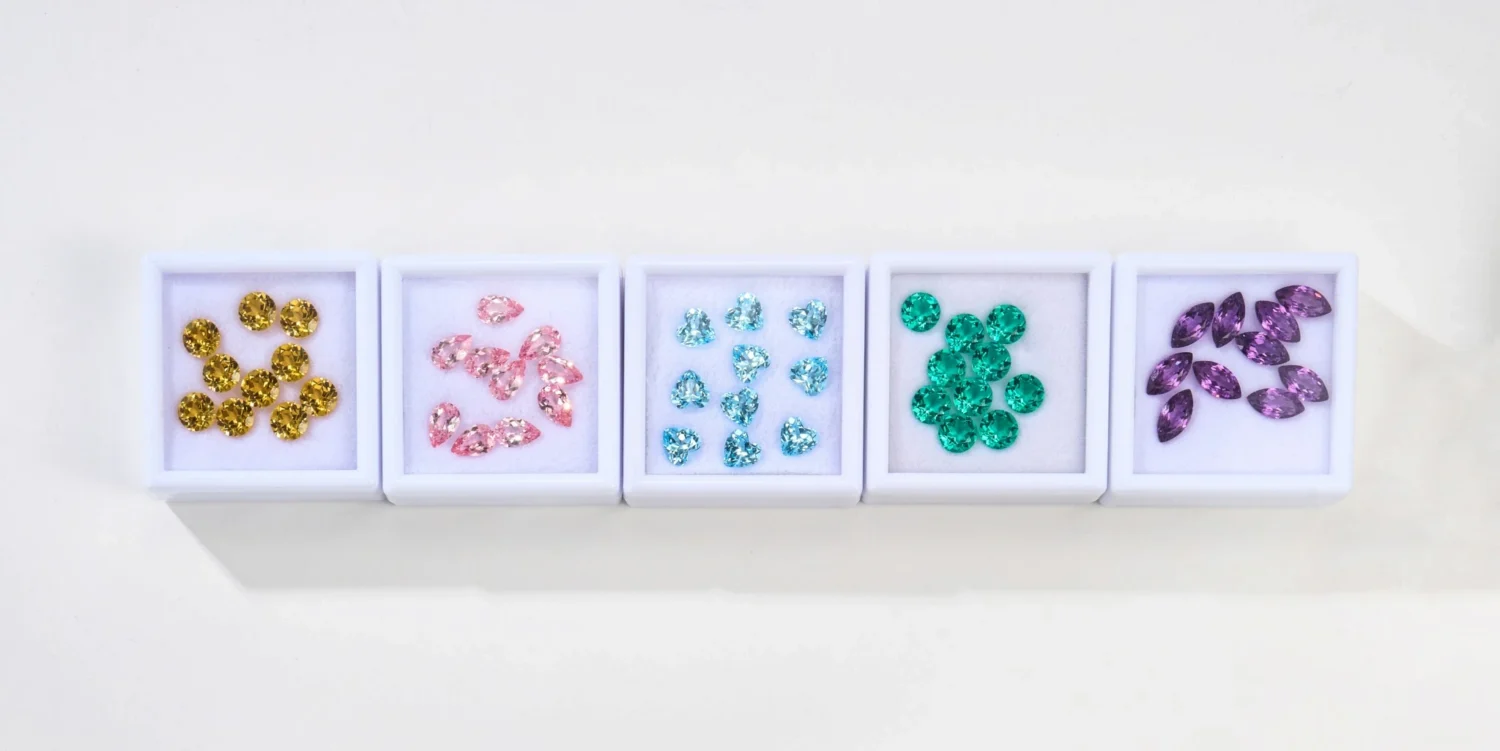
Consider the gemstone’s dimensions, shape, color range, availability, and compatibility with the intended setting. A prominent center stone needs different specifications from small accent stones. A design that uses several stones may require tighter matching in size and appearance.
Consistency also becomes important when a brand plans repeat production. Natural gemstones can show visible variations in color and inclusions. Lab-created stones can offer another option when a collection requires particular colors or specifications. The right choice depends on the product concept, disclosure requirements, target price, and brand positioning.
Brands should define these requirements before bulk production. Clear gemstone specifications give the sourcing and production teams a practical standard to follow.
Work With a Gemstone Jewelry Manufacturer to Develop the Collection
At this stage, the collection moves from market strategy into product development.
A brand can approach a gemstone jewelry manufacturer with sketches, reference images, gemstone preferences, metal requirements, target price, expected quantities, and the overall direction of the collection.
The manufacturer can then evaluate how those ideas translate into actual jewelry.
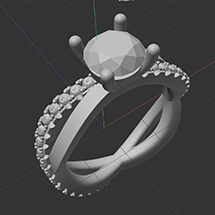
For custom projects, this process can include gemstone sourcing, CAD development, stone size confirmation, setting design, prototyping, sampling, finishing, and quality control. Current B2B manufacturers commonly combine gemstone sourcing with design and production services when developing collections for brands.
Gemstone setting deserves particular attention during product development. The stone’s dimensions, depth, and shape influence the setting structure, while the setting determines how much of the gemstone remains visible and how securely it sits in the jewelry. Different ring prong styles can also change the visual character of a gemstone, especially in designs where the center stone is the main focus. Bezels create a different structure around the stone, while pavé settings require consistent stone dimensions and precise spacing across the surface.
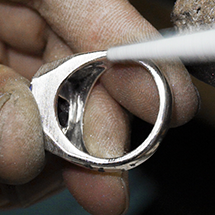
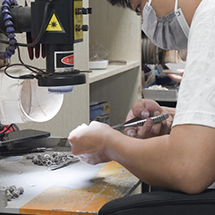
These details become especially important when a collection uses several gemstone shapes or sizes. The manufacturer needs to adjust the setting structure to the actual stone specifications instead of applying the same construction to every variation. Consistent gemstone jewelry craftsmanship then helps carry the intended design through stone setting, polishing, finishing, and final inspection.
Brands that are still exploring product directions can also browse our jewelry products to compare different jewelry categories and design approaches before preparing a manufacturing brief.
The sourcing approach often changes when a brand wants the gemstone collection to feel distinctly its own. Wholesale gemstone jewelry works well when the priority is selecting existing products and bringing them to market quickly. A custom gemstone jewelry manufacturer enters the picture when the collection starts with the brand’s own idea. The gemstone, setting, proportions, and overall design then develop around that idea, giving the finished collection a clearer connection to the brand’s product identity.
Test the Collection Before Expanding the Range
A colorful collection can expand quickly, so brands should use early sales information to guide the next round of products.
Start with a controlled range and track which gemstone colors, designs, price points, and jewelry categories receive the strongest response.
A brand might discover that customers like a particular design but prefer only two of its six gemstone options. Another collection might show stronger demand for earrings than matching rings.
These signals can guide reorders and future development.
Brands can then expand proven designs into new gemstone colors, matching products, or personalized variations. This approach keeps collection development connected to actual customer behavior instead of assumptions about how many options customers want.
Gemstone Jewelry Manufacturers to Explore for Your Collection
The right manufacturing partner depends on the collection itself. Brands should compare gemstone capabilities, materials, customization options, production model, MOQ, sampling process, and communication before making a decision.
Here are three manufacturers or suppliers worth exploring:
Tianyu Gems works with natural and lab-grown gemstones alongside gold and sterling silver jewelry. Its current manufacturing offering includes custom production, wholesale, OEM/ODM, sampling, and bulk production.
deBebians is a Los Angeles-based option for brands looking for custom design and manufacturing support in the U.S. Its trade services include gemstone sourcing, CAD/design, setting, finishing, and production planning.
Yinyuan Jewelry can be considered by brands developing custom gemstone jewelry collections that require design development, gemstone setting, sampling, and production support.
Before choosing any gemstone jewelry supplier, brands should request information that relates directly to their own project and evaluate samples where appropriate. A manufacturer that works well for one collection may not suit another collection’s materials, volume, design complexity, or target cost.
Final Thoughts
Selling colorful gemstone jewelry starts with understanding what color means to the customers a brand wants to reach.
That understanding can shape the collection’s color palette, gemstone choices, personalization options, design families, and price structure. Brands can then use early customer response to decide where the collection should grow.
Manufacturing comes after that direction is clear. A well-defined product brief gives the gemstone jewelry manufacturer a stronger foundation for stone sourcing, design development, sampling, and production.
The result is a collection built around a clear reason for customers to choose it—and a practical plan for turning that idea into jewelry.
