

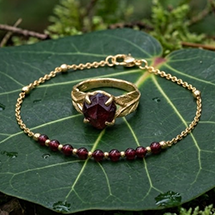

Choosing the chain is an important part of necklace design. Its structure affects how the necklace sits on the body and how much attention the chain receives within the finished piece.
For jewelry brands, chain selection also helps define how a necklace belongs within the wider collection. The chain may sit quietly behind the main design or become a recognizable part of the piece itself. What matters is the relationship it creates with the pendant and the overall design language of the collection.
This guide compares 12 common types of necklace chains and looks at how jewelry brands can use them in pendant designs, standalone necklaces, and new collections.
Let’s get into it.
What Are the Different Types of Necklace Chains?
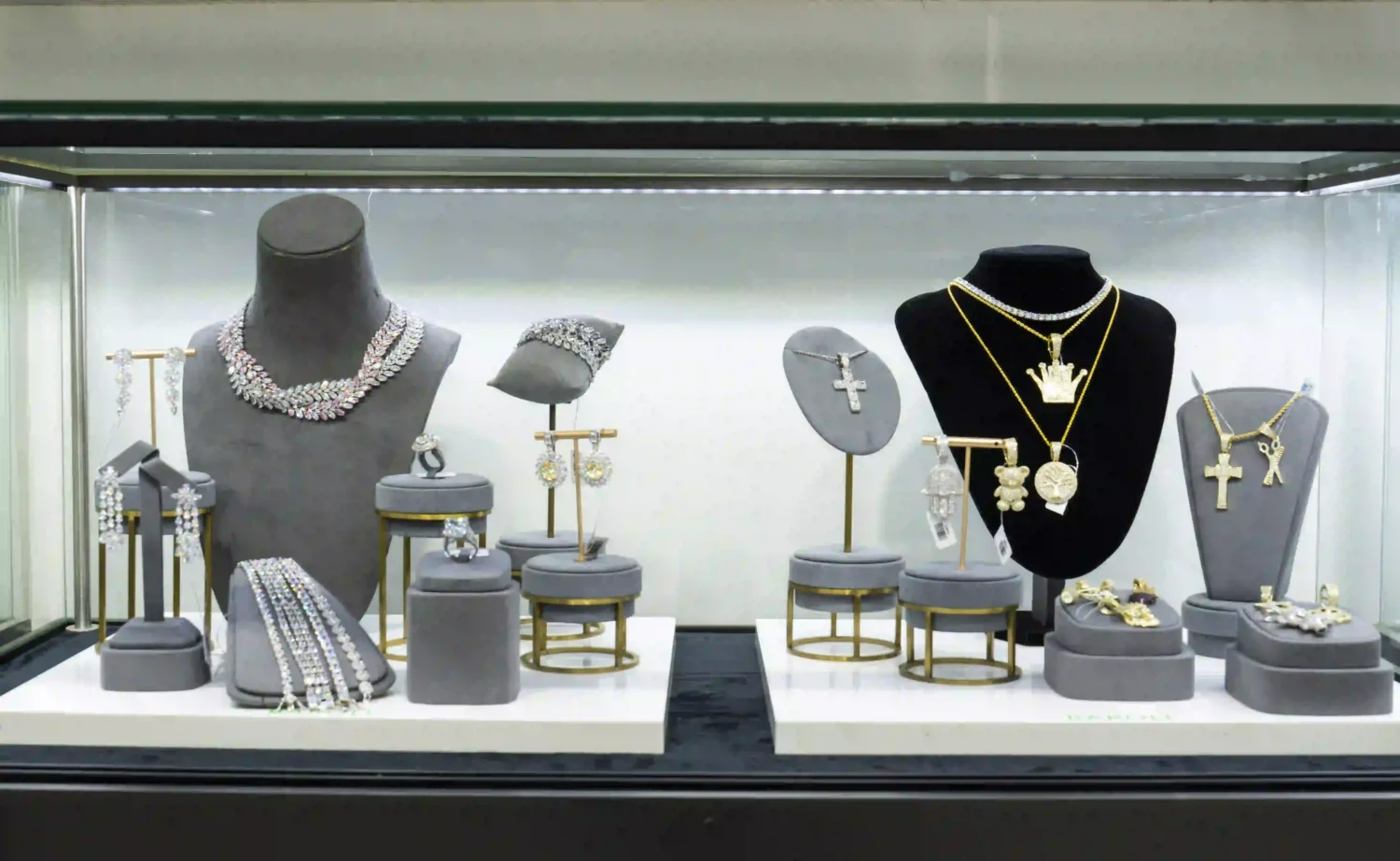
Necklace chains are generally distinguished by the way their links are shaped and connected. Cable, box, curb, Figaro, rope, snake, wheat, Singapore, paperclip, herringbone, rolo, and mariner chains are among the most recognizable styles.
The structure gives each chain its visual character. It also influences the role the chain plays in a necklace. Certain structures keep the attention on the pendant. More distinctive link patterns give the chain a stronger presence in the overall design.
For a jewelry brand, understanding these differences is useful before looking at dimensions or production specifications. The first decision is simpler: what role should the chain play in the necklace?
Necklace Chain Types at a Glance
| Chain Type | Visual Character | Pendant Use | Collection Direction |
|---|---|---|---|
| Cable | Simple, balanced | Excellent | Minimal / everyday |
| Box | Clean, geometric | Excellent | Modern / refined |
| Curb | Flat, interlocking | Depends on width | Bold / unisex |
| Figaro | Rhythmic link pattern | Selective | Distinctive |
| Rope | Twisted, textured | Good with suitable proportions | Classic / decorative |
| Snake | Smooth, continuous | Light pendants | Sleek / minimal |
| Wheat | Dense, woven | Good | Refined / everyday |
| Singapore | Fine, twisted | Light pendants | Delicate |
| Paperclip | Long, open links | Charms / suitable bails | Contemporary |
| Herringbone | Flat, fluid | Usually standalone | Statement |
| Rolo | Rounded, visible links | Good | Charm / everyday |
| Mariner | Structured oval links | Selective | Bold / graphic |
These descriptions focus on the general character of each chain rather than assigning fixed strength ratings. Two chains with the same style name may perform differently when their dimensions and construction change. The finished quality also depends heavily on how the chain has been made.
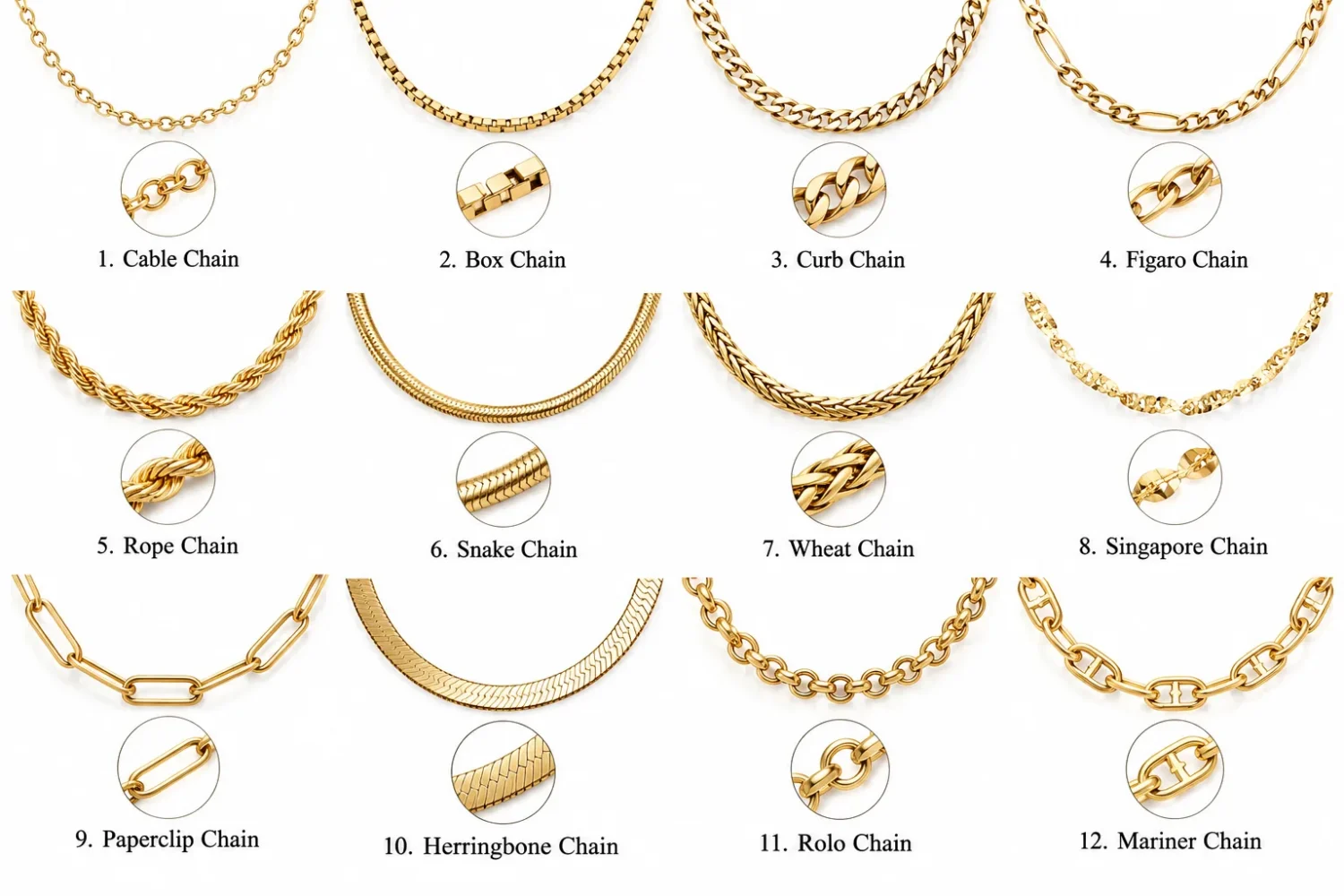
12 Types of Necklace Chains Jewelry Brands Should Know
1. Cable Chain
Cable chains are built from repeating round or oval links. The uncomplicated structure gives the chain a familiar appearance and allows it to sit comfortably behind many pendant designs.
This is one reason cable chains appear so often in everyday jewelry. The chain supports the necklace without establishing a strong visual theme of its own. For a brand developing several pendants around the same collection idea, that neutrality is useful. The pendant design remains free to change while the chain provides continuity between the pieces.
2. Box Chain
Square-shaped links give a box chain its clean, geometric appearance. The straight edges introduce more structure than the rounded forms of a traditional cable chain.
That difference becomes noticeable when the necklace contains a geometric pendant or a design with crisp lines. The chain feels connected to the design rather than simply attached to it. At a finer scale, the effect remains restrained; as the links become more substantial, the geometry of the chain takes a larger role in the necklace.
3. Curb Chain
The interlocking links of a curb chain are shaped so that the chain lies relatively flat. This creates a continuous rhythm along the neckline and gives the structure a clear visual presence.
Scale changes the role of a curb chain considerably. Fine versions still work comfortably within pendant and layering designs. As the links become broader, the necklace starts to be read through the chain itself.
Cuban chains belong to the same wider family of interlocking link designs. Their links are generally arranged more densely, creating the substantial appearance associated with Cuban-style jewelry.
4. Figaro Chain
A Figaro chain develops its identity through rhythm. Short links are interrupted by an elongated link, creating a repeating pattern that remains recognizable even without a pendant.
This makes Figaro particularly interesting at collection level. Instead of treating the chain as a background component, a brand might repeat the same link rhythm in a necklace and bracelet. The structure then becomes a recognizable design detail shared by several products.
The traditional link arrangement is also illustrated in the Jewelers of America guide to jewelry chains.
5. Rope Chain
The links of a rope chain twist around one another to create the appearance of intertwined strands. This construction gives the surface depth and allows it to catch light from several directions.
That texture changes how the chain interacts with the rest of a necklace. With a small pendant, a fine rope chain adds detail without taking over the composition. As the rope structure becomes thicker, its texture becomes increasingly important to the design.
This is a good example of why chain selection is closely connected to proportion. The style itself does not determine whether it belongs with a pendant; the relationship between the two does.
6. Snake Chain
A snake chain appears almost continuous because its individual components fit closely together. Instead of seeing a sequence of open links, the eye follows a smooth line around the neckline.
The fluid surface gives this style a particularly clean character. It suits necklace designs where a visible link pattern would introduce unnecessary detail.
Its construction also changes the way the chain moves. During product development, the physical sample becomes important for judging how naturally the chain bends and how the end components transition into its smooth profile.
7. Wheat Chain
Wheat chains, also known as Spiga chains, have an interwoven structure that creates a dense, textured surface.
The pattern remains visible without dominating the necklace. This gives the style an interesting middle ground: it offers more character than a simple supporting chain while still leaving room for a pendant to lead the design.
For collections that rely on subtle details rather than large statement links, this type of texture can become part of the brand’s visual language.
8. Singapore Chain
A Singapore chain uses a twisted construction that creates movement and reflection along a relatively fine chain.
Its character becomes most noticeable when the necklace moves. Rather than relying on large visible links, the chain gains presence through the way its surface catches light.
This makes it useful for delicate designs where the brand wants the chain to contribute texture without competing heavily with a smaller pendant.
9. Paperclip Chain
Elongated links and generous open space give paperclip chains a graphic appearance. The link pattern remains immediately visible, so the chain naturally becomes part of the necklace concept.
This opens up a different way of thinking about the product. Instead of designing a pendant first and choosing a chain afterward, the collection may begin with the chain structure itself. A charm, connector, or decorative clasp then becomes part of that structure.
This approach is especially useful when the brand wants customers to recognize the necklace through its construction rather than through one central pendant.
10. Herringbone Chain
Thin overlapping links form a flat surface in a herringbone chain. The finished necklace sits close to the body and creates a smooth, ribbon-like line.
The flat profile is the main attraction of the style, so maintaining that profile matters. Sharp bending or twisting can disturb the alignment of the links.
For a brand, this affects more than product appearance. Packaging, handling information, and the way samples are evaluated all need to respect the structure that gives the chain its distinctive look.
11. Rolo Chain
Rolo chains use rounded links with a fuller appearance than many fine cable chains. Their individual links remain clearly visible, giving the connection between chain and decorative elements greater presence.
That characteristic works particularly well in charm jewelry. The connection does not need to disappear. Jump rings, charms, and connectors can remain visible and feel like intentional parts of the necklace.
A rolo chain therefore offers an interesting option when the construction itself contributes to the design without becoming as dominant as a large statement chain.
12. Mariner Chain
Mariner chains use oval links divided by a bar across the center. The structure has a clear nautical origin and creates a recognizable graphic pattern.
The motif becomes increasingly important as the scale grows. In a fine chain, it adds subtle detail. In a larger version, the pattern itself becomes the reason for choosing the necklace.
The same motif also translates naturally into bracelets, giving a brand room to build several products around one recognizable link structure.
How Does Chain Type Change the Look of a Necklace?
Imagine developing a small oval gemstone pendant. The pendant design is already settled, yet the finished necklace still has no clear personality.
Set it on a fine cable chain and the eye moves almost immediately toward the gemstone. The chain creates a quiet line around the neck and lets the pendant carry most of the design.
Using a paperclip chain changes the composition much more dramatically. The open links introduce their own rhythm and occupy more visual space around the pendant. The designer now needs to think about how the pendant connects to that structure rather than treating the chain as a neutral support.
Neither approach is inherently better. They simply create different products from the same starting point.
For a jewelry brand, this is the useful way to compare necklace chain types: look at what happens to the complete necklace when the chain changes.
Which Necklace Chains Work Best With Pendants?
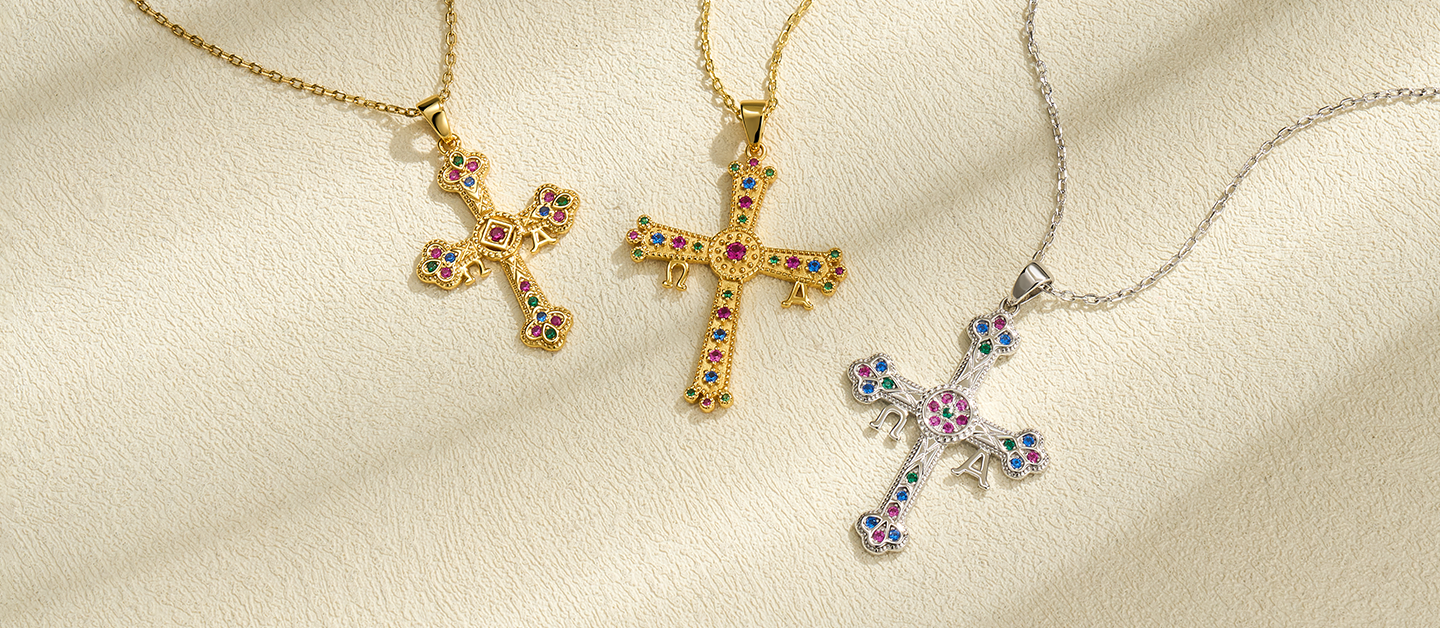
Cable, box, wheat, rope, and rolo chains frequently appear in pendant jewelry. The Stuller guide to choosing a jewelry chain also discusses established chain styles in relation to pendants, slides, and dangles.
For product development, however, the useful question is not simply which style is commonly used with pendants. The chain needs to make visual and physical sense beside the pendant being developed.
Imagine increasing the size of a pendant while leaving the original fine chain unchanged. At a certain point, the necklace begins to feel visually unbalanced. Increasing the chain too aggressively creates the opposite effect and draws attention away from the pendant.
The connection between them matters just as much. A bail that looks proportionate to the pendant still needs enough internal space for the chosen chain to move naturally through it. This is one of those details that becomes much easier to judge on a physical sample than in a reference image.
When a brand develops several sizes from the same pendant concept, maintaining the same chain style does not necessarily mean maintaining exactly the same specification. The relationship between chain and pendant needs to remain convincing across the range.
How to Choose a Necklace Chain for a Jewelry Collection
Decide What Role the Chain Plays
A useful starting point is to decide where the necklace gets its identity.
In a birthstone pendant collection, the stone and setting may already provide a strong focal point. A restrained chain gives that idea space. A collection built around large links follows a different logic because the chain itself carries much of the visual identity.
Making this decision early removes many unsuitable options before technical specifications even enter the conversation.
Create a Chain Language Across the Collection
Consistency does not require every necklace to use exactly the same chain.
A collection might include pieces with very different functions and proportions. What makes them feel related is often subtler: the way the links are scaled, the amount of visual weight around the neck, or the overall level of refinement in the chain construction.
This leaves room for individual products to develop naturally without making the collection feel assembled from unrelated components.
The same thinking becomes valuable when the collection expands. A recognizable chain detail can move into a bracelet or another necklace style and help the new product feel connected to what already exists.
Think About the Chain Early in Product Planning
Leaving the chain until the end of the design process can create unnecessary compromises.
Its scale affects the overall presence of the necklace and the amount of metal in the product. Those decisions become especially significant when a design moves between sterling silver and solid gold, where a seemingly small change in chain dimensions can alter the product economics considerably.
Treating the chain as part of the original product concept gives the brand more control over both the design and the final positioning of the necklace.
Chain Construction Matters as Much as Chain Style
In our production experience, a chain reference image is only the starting point. Before production, the chain needs to be translated into measurable specifications that the workshop can reproduce consistently.
For example, a cable chain reference needs a defined link size, wire thickness, link spacing, chain width, and finished length. These specifications determine whether the production sample keeps the proportions and visual weight of the original design.
The same principle applies when a brand develops its own chain style. We first identify the structure that creates the intended look, then confirm those details through sampling. This gives both the brand and the production team a clear standard to work from when the order moves into bulk production.
Consistent chain jewelry craftsmanship then carries those specifications through assembly, joining, polishing, finishing, and inspection.
What Should Jewelry Brands Confirm Before Producing a Necklace?
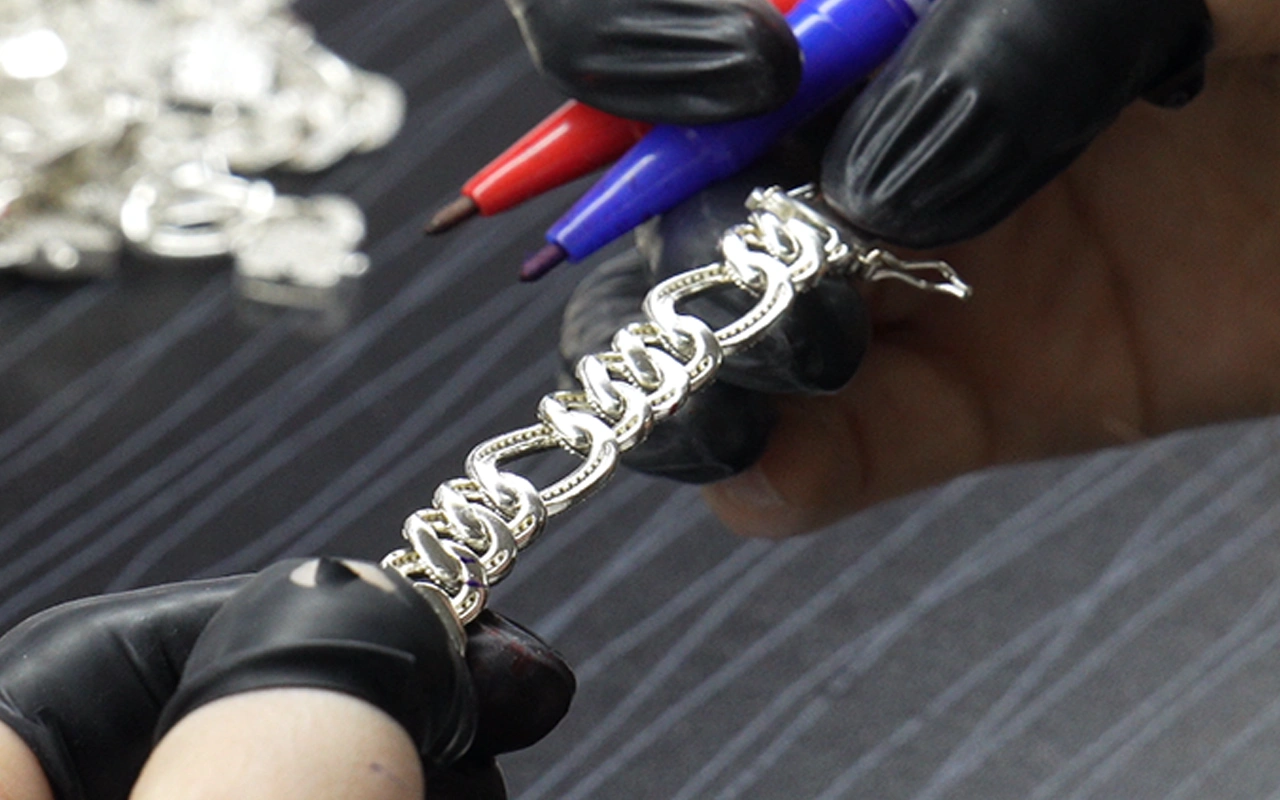
Before a necklace moves into production, the brand and manufacturer need to confirm the final specifications against the physical sample. The approved sample gives the production team a clear reference for the finished product and helps prevent small design differences from carrying into bulk production.
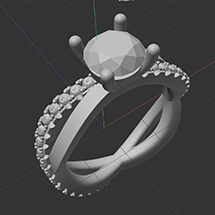
For custom designs, 3D jewelry design establishes the dimensions and structure before sampling. The physical sample is then used to check how the complete necklace actually works, especially the proportion between the chain and pendant, the bail connection, the wearing length, and the overall balance of the piece.
Any necessary adjustments should be reflected in the final production specifications. When working with a custom necklace manufacturer, an approved sample and confirmed specifications give both the brand and the production team the same standard for bulk production.
Custom Chain Necklace Manufacturers to Consider
After the chain direction becomes clear, the manufacturing requirement depends on what the brand is actually developing. A project centered on custom chain construction may need a different production partner from a collection built around original pendants and complete necklaces.
The following manufacturers represent several approaches worth comparing.
Re-Borny Jewelry
Re-Borny Jewelry focuses specifically on jewelry chains and works across precious-metal and stainless-steel chain production. Its OEM capabilities make it particularly relevant when the chain itself is a central part of the development brief.
For a brand seeking specialized chain production rather than a broader jewelry development service, this type of manufacturing focus is worth considering.
Fulcol
Fulcol approaches the project from the complete-necklace side, with OEM/ODM development covering custom necklace designs and related components.
This makes it a different option from a dedicated chain specialist. A brand developing the necklace as a complete product may find that model more aligned with its sourcing requirements.
Yinyuan Jewelry
With over 15 years of jewelry manufacturing experience, Yinyuan works with jewelry brands to develop custom necklaces from original concepts through sampling and production. Necklace development considers the chain and pendant as parts of the same product, so their proportions, structure, and overall design direction can be evaluated together.
For brands developing an original necklace collection, Yinyuan’s custom necklace manufacturing supports the process from design development and sampling to production, with the final specifications established around the approved product.
FAQ About Types of Necklace Chains
What are the most common types of necklace chains?
Cable, box, curb, Figaro, rope, snake, wheat, Singapore, paperclip, herringbone, rolo, and mariner are among the most common necklace chain types. Their structures range from simple open links to dense woven or flat constructions, giving each style a different visual character.
What type of necklace chain is best for a pendant?
Cable and box chains are common starting points because their relatively simple appearance works with many pendant designs. Rope, wheat, and rolo chains also suit pendants when their proportions fit the piece. The final decision is best made by looking at the chain and pendant together rather than choosing by chain type alone.
What is the difference between a curb chain and a Cuban chain?
Both belong to the same broader family of interlocking link structures. Cuban chains generally use closely arranged links that create a denser and more substantial appearance, while curb chains cover a wider range of link proportions and weights.
Which necklace chains are more prone to kinking?
Flat constructions such as herringbone chains require particular care around sharp bending and twisting. Their appearance depends on keeping the overlapping links aligned, so handling and storage affect how well the flat surface is maintained.
How do jewelry brands choose chain thickness for a pendant?
The pendant provides the visual reference point. A very fine chain beside a substantial pendant may feel disconnected, while an oversized chain can compete with a smaller design. Sampling the complete necklace helps the brand judge this relationship at actual scale and make adjustments before production.
